PDF A Guide to Securing Networks for Wi
1. Introduction This guide summarizes leading practices and technical guidance for securing networks from wireless threats and for securely implementing wireless access to networks . This document is specifically focused on the wireless technologies commonly referred to as "Wi-Fi" as defined in the Institute of Electrical and Electronics Engineers (IEEE) 802.11 family. This guide does not ...
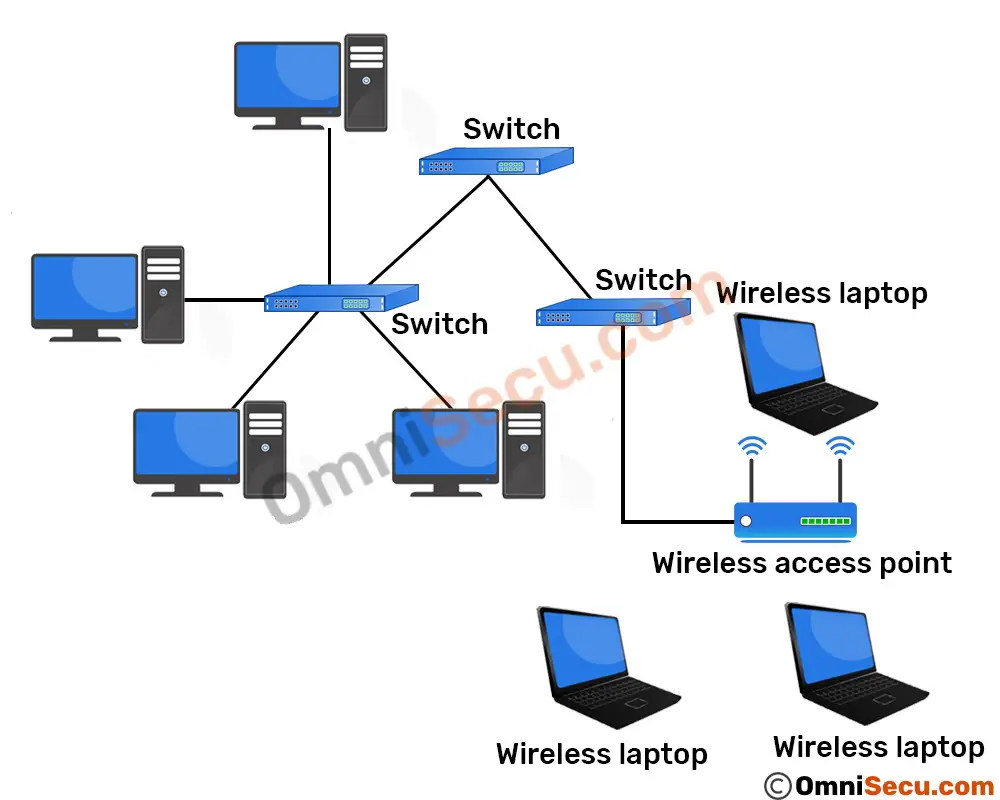
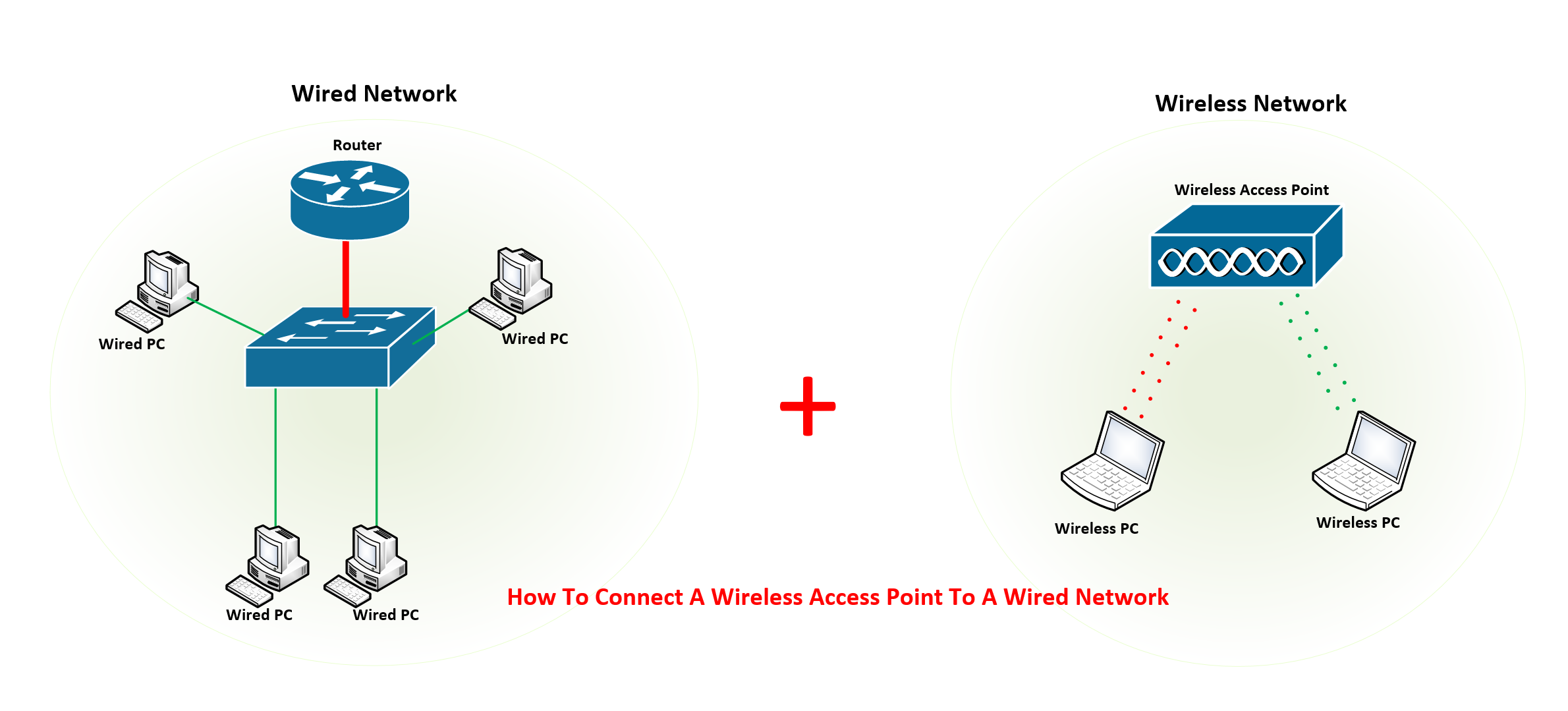
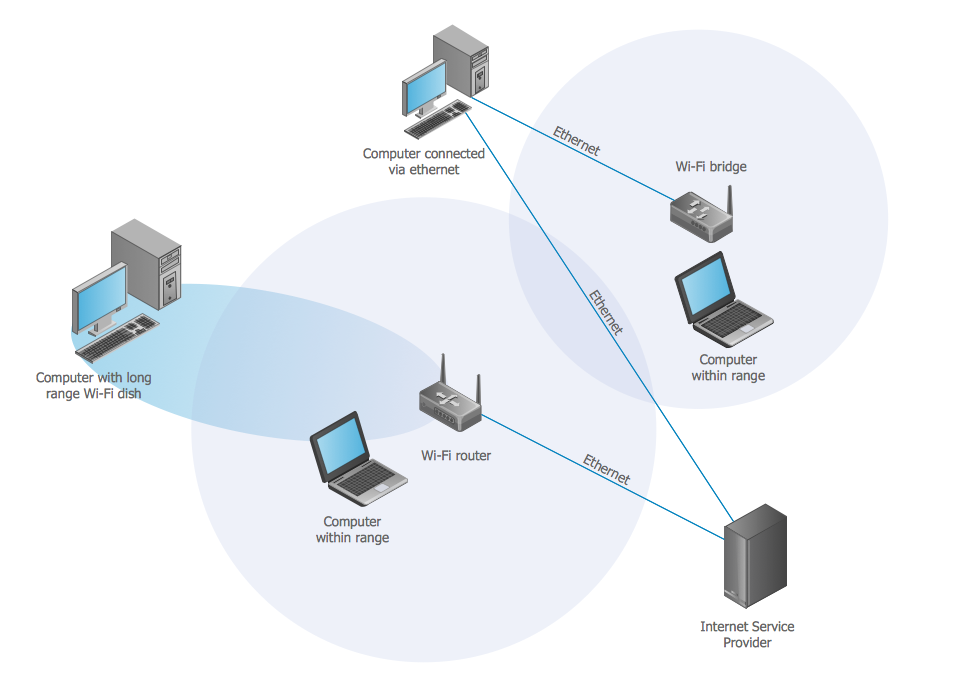
LAN is used over Wi-Fi because it is faster, more stable, more secure , and better for high-performance tasks. Wi-Fi is convenient for mobility, but LAN is preferred when performance and security matter. Physical Access Required In a LAN (wired network ), an attacker must physically plug into the cable or switch to access the network .
What is Wi
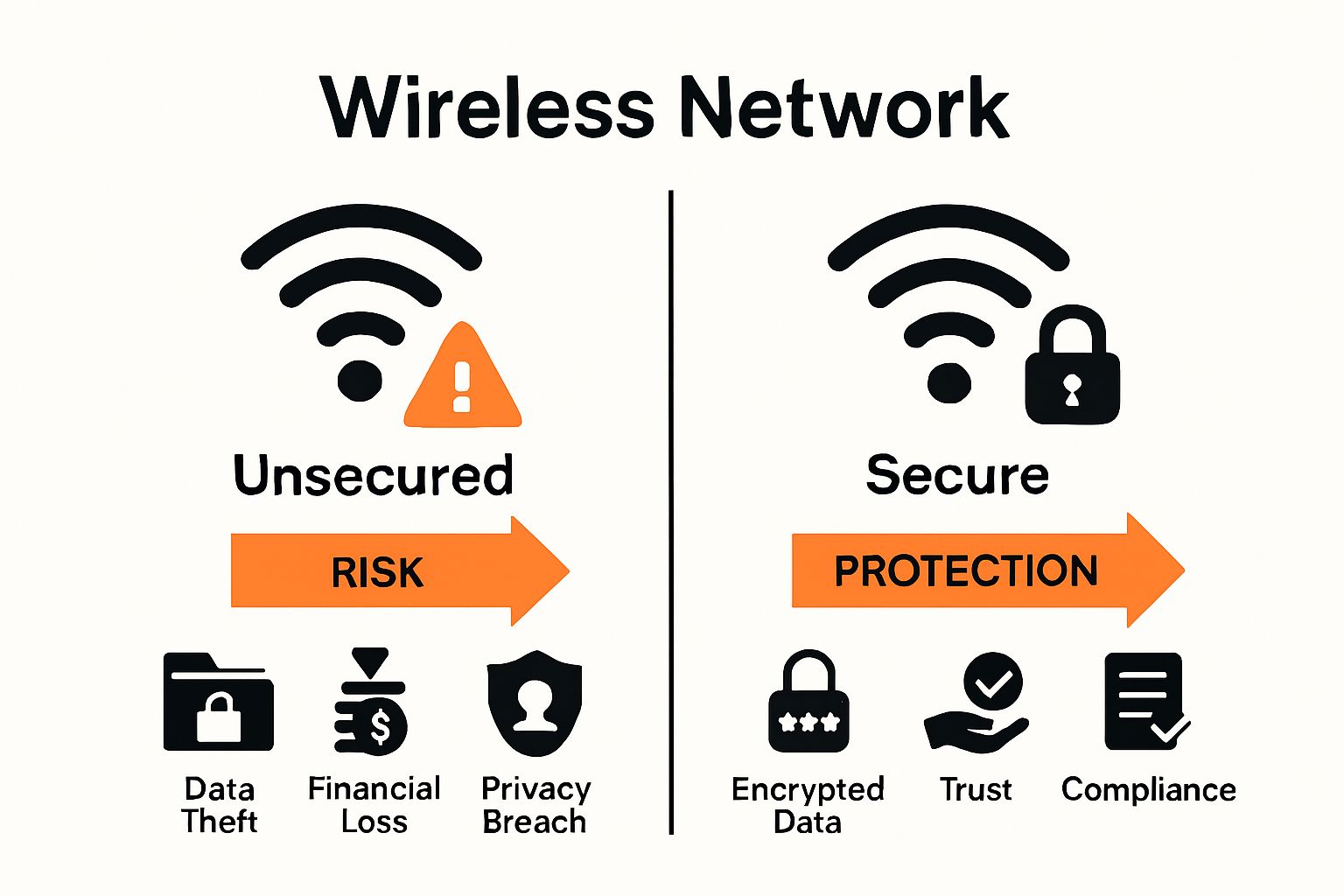
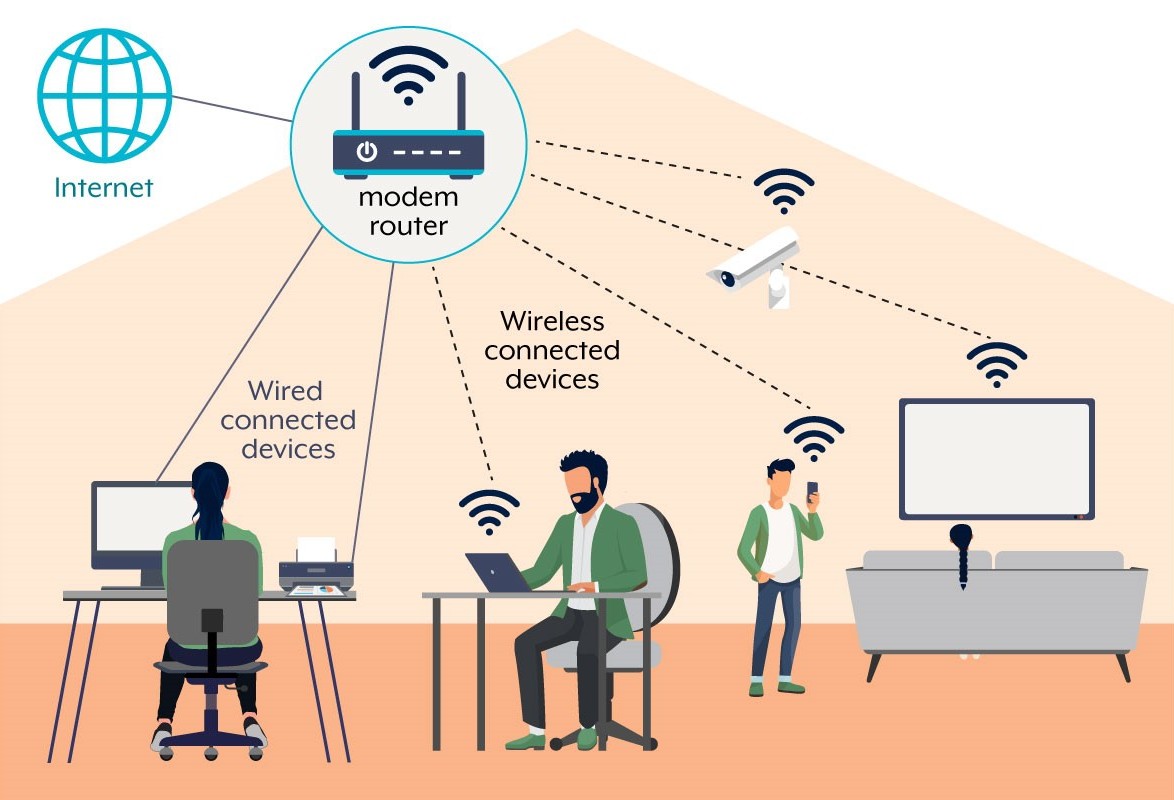
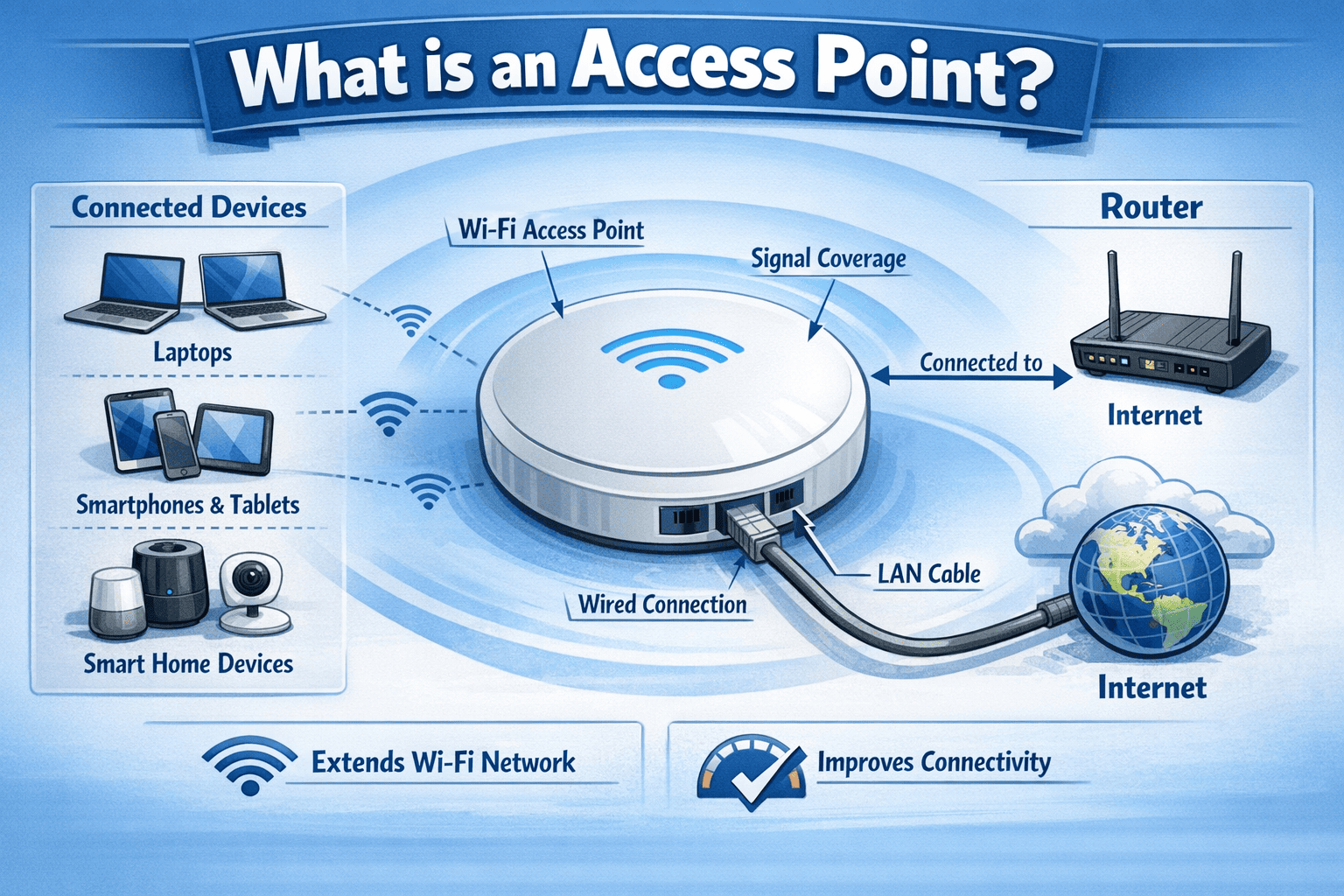
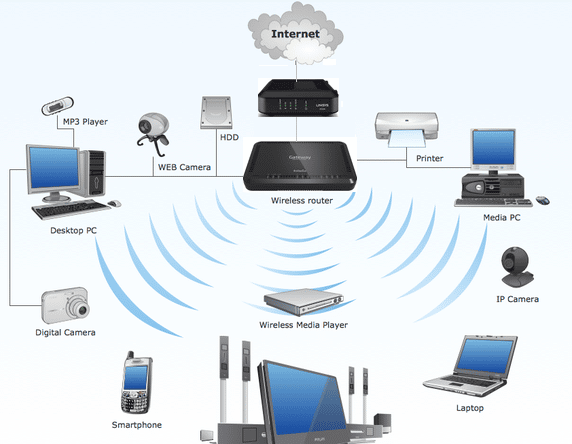
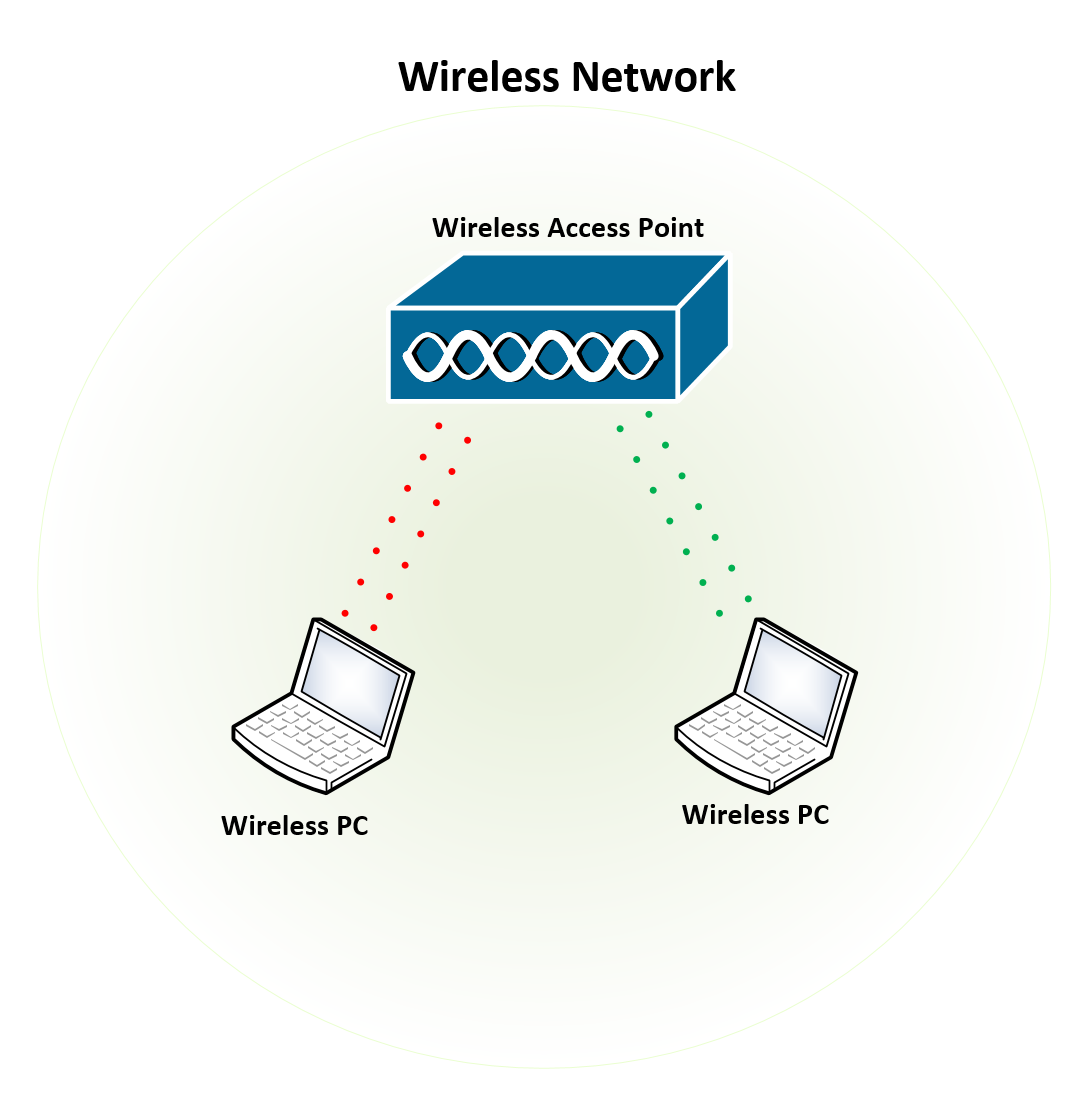
Wi-Fi security is the protection of devices and networks connected in a wireless environment. Without Wi-Fi security, a networking device such as a wireless access point or a router can be accessed by anyone using a computer or mobile device within range of the router's wireless signal.
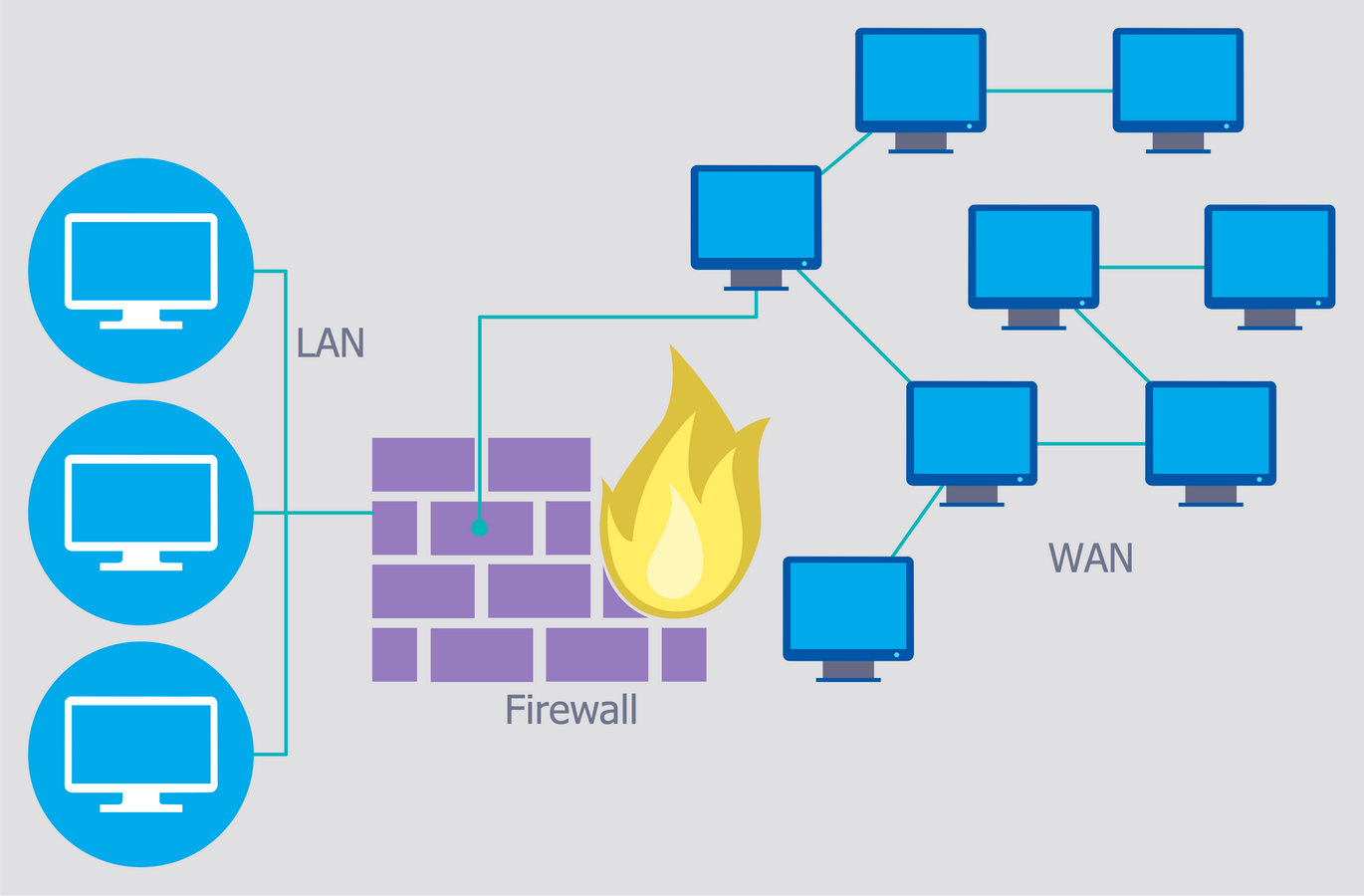
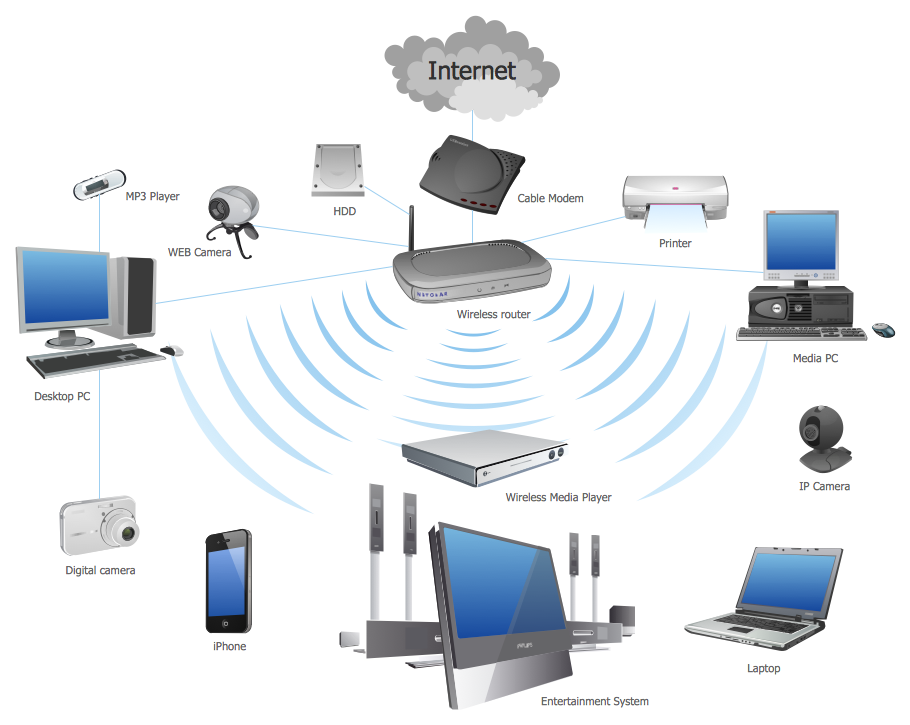
Moving forward, it's essential to keep these visual contexts in mind when discussing G Network Secure Network Access For Wireless Devices.
Global Secure Access remote network connectivity
Global Secure Access supports two connectivity options: installing a client on an end-user device and configuring a remote network , such as a branch location with a physical router. Remote network connectivity streamlines how your end-users and guests connect from a remote network without needing to install the Global Secure Access Client. This article describes the key concepts of remote ...
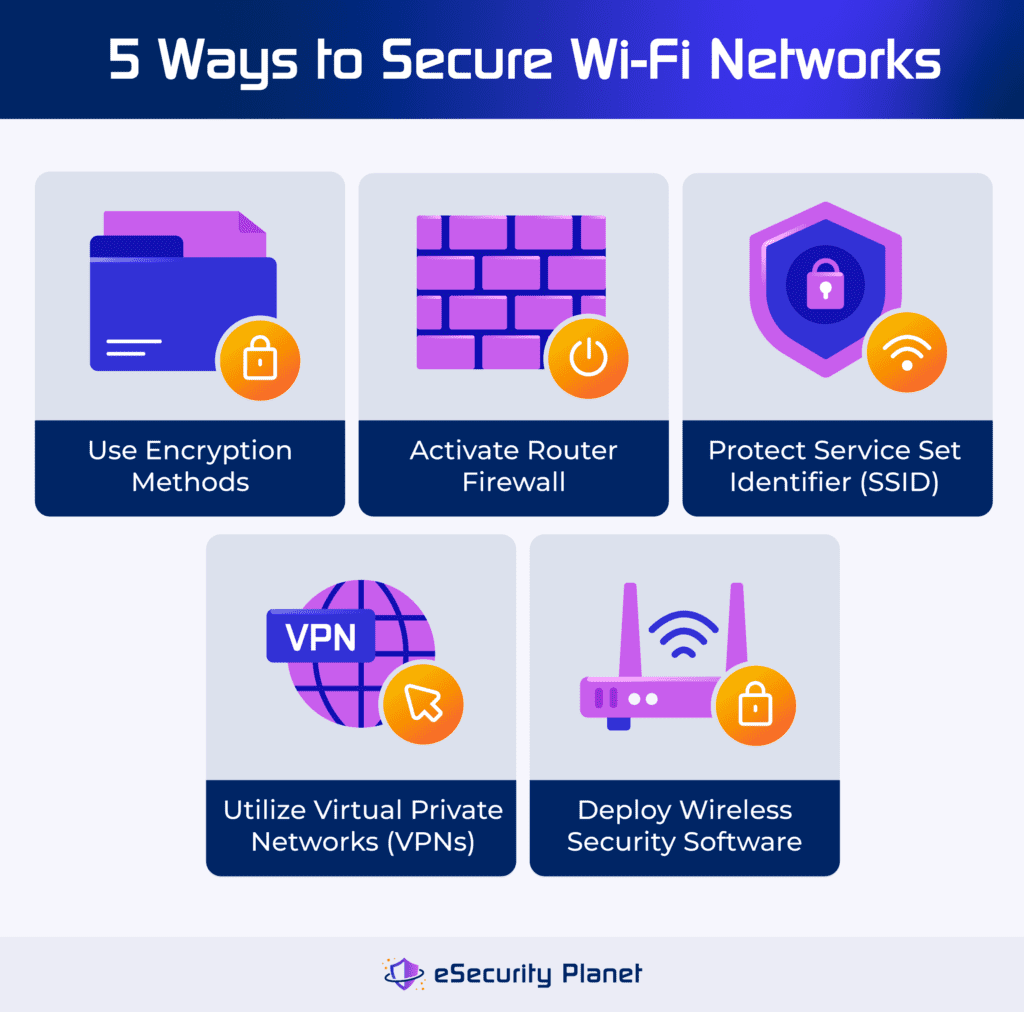
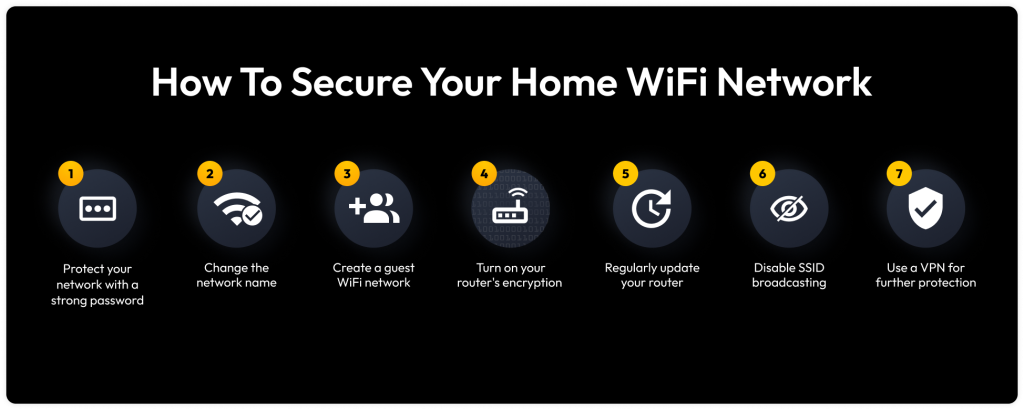
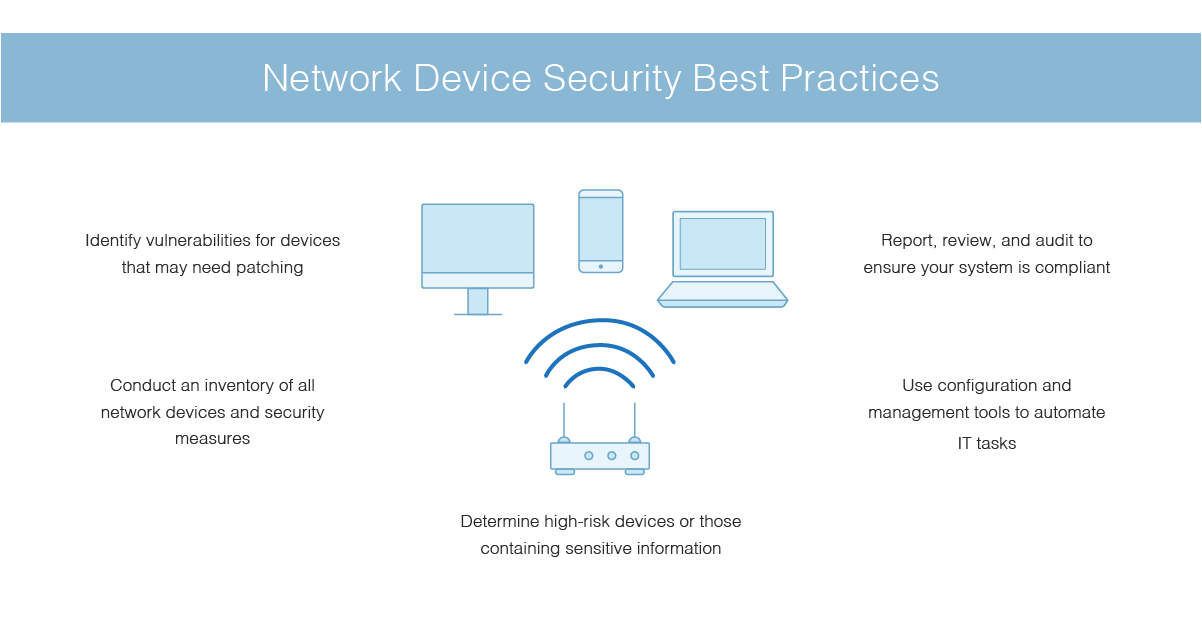
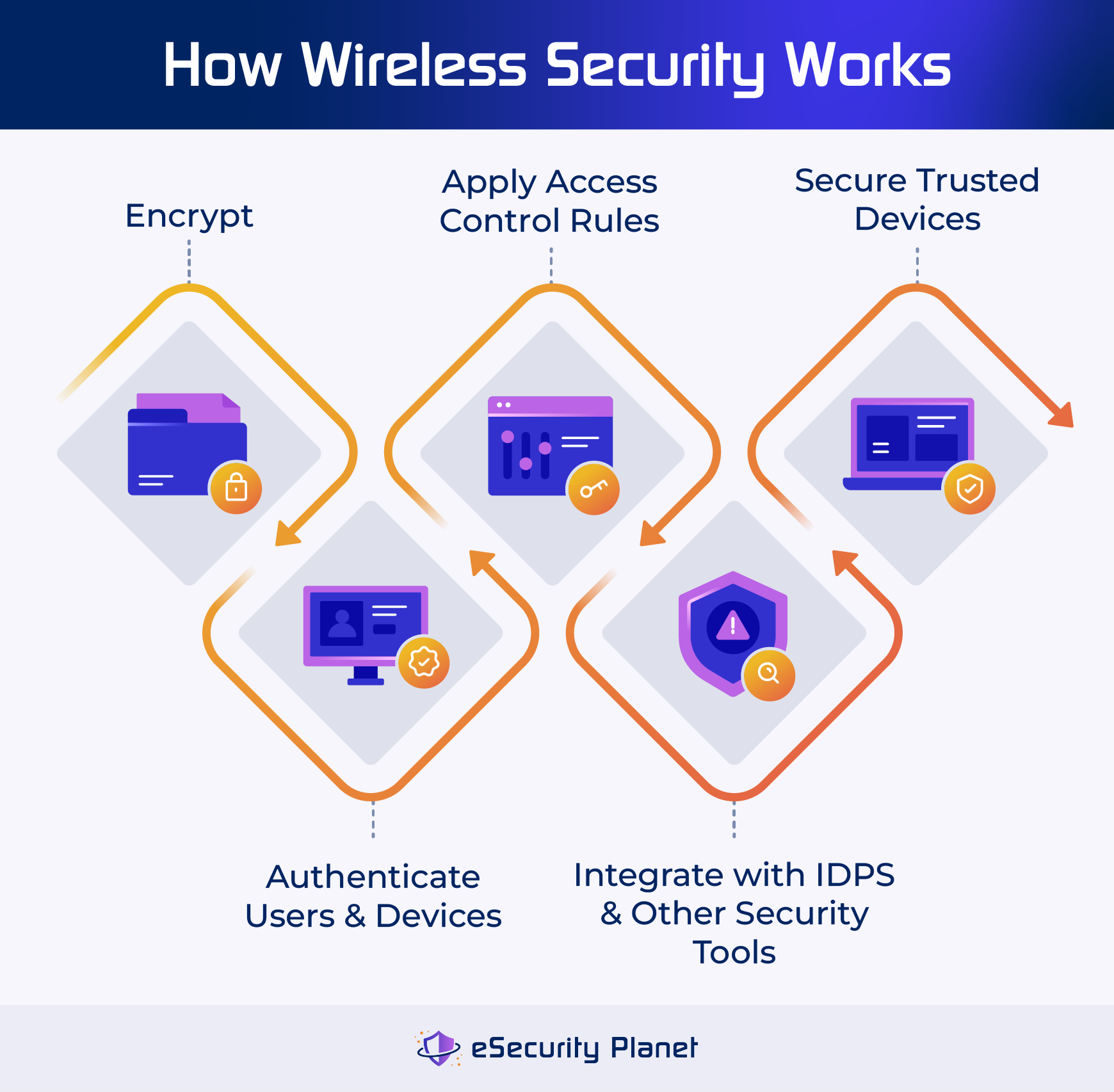
These 12 best practices are essential for securing your wireless network and ensuring that your data and devices are safe from malicious actors.