Everything You Need to Know About Glp 1 And Appetite Regulation Improvement
Beyond Weight Loss
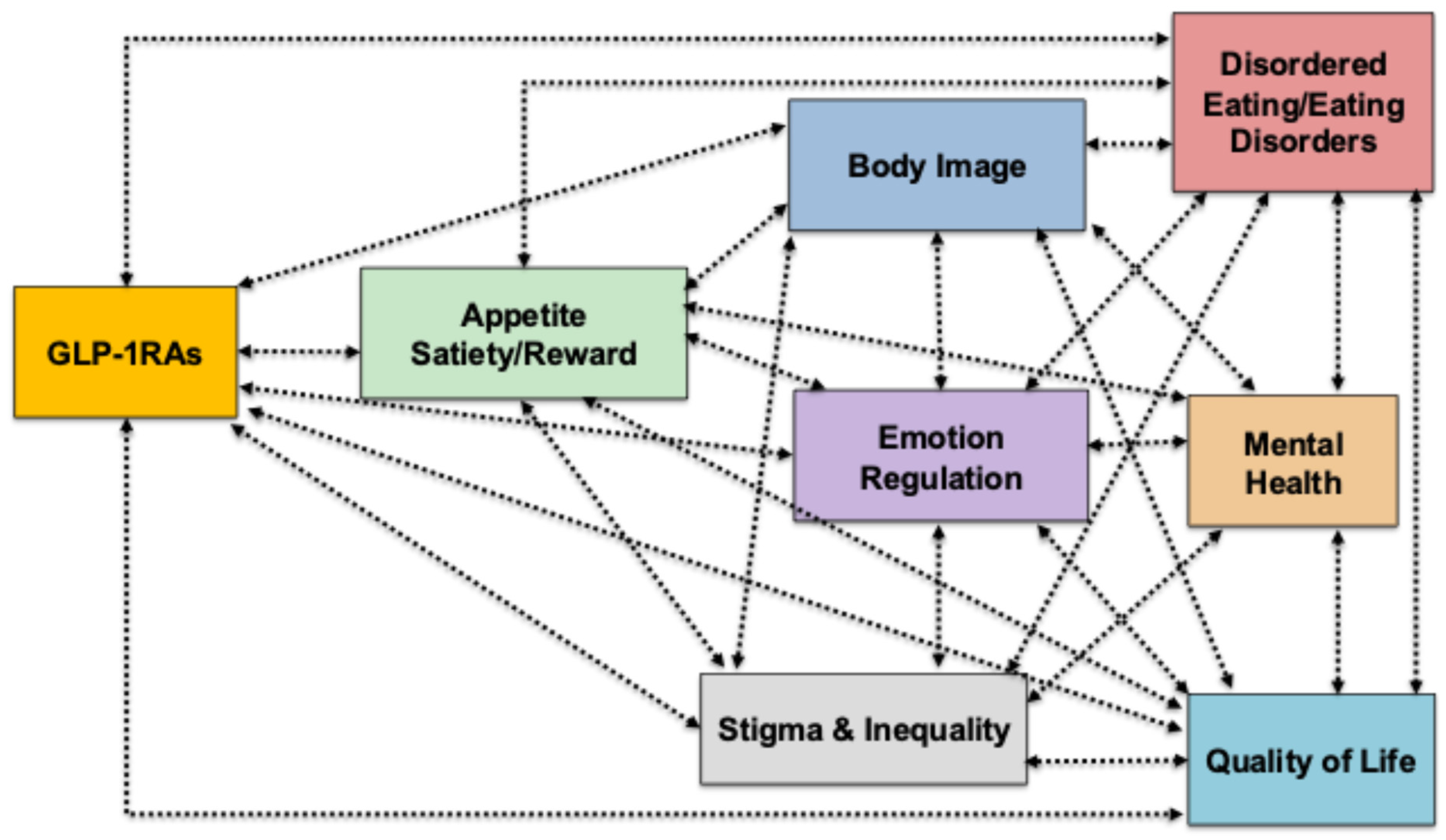
Background: Glucagon-like peptide-1 receptor agonists ( GLP -1RAs) have transformed treatment for higher weight and diabetes. Because they also influence appetite and reward processes, these medications may shape eating behaviours, emotions, and body image, raising new challenges for eating disorder (ED) research and clinical care. This narrative review synthesises emerging evidence on the ...
Glp 1 And Appetite Regulation Improvement
This particular example perfectly highlights why Glp 1 And Appetite Regulation Improvement is so captivating.
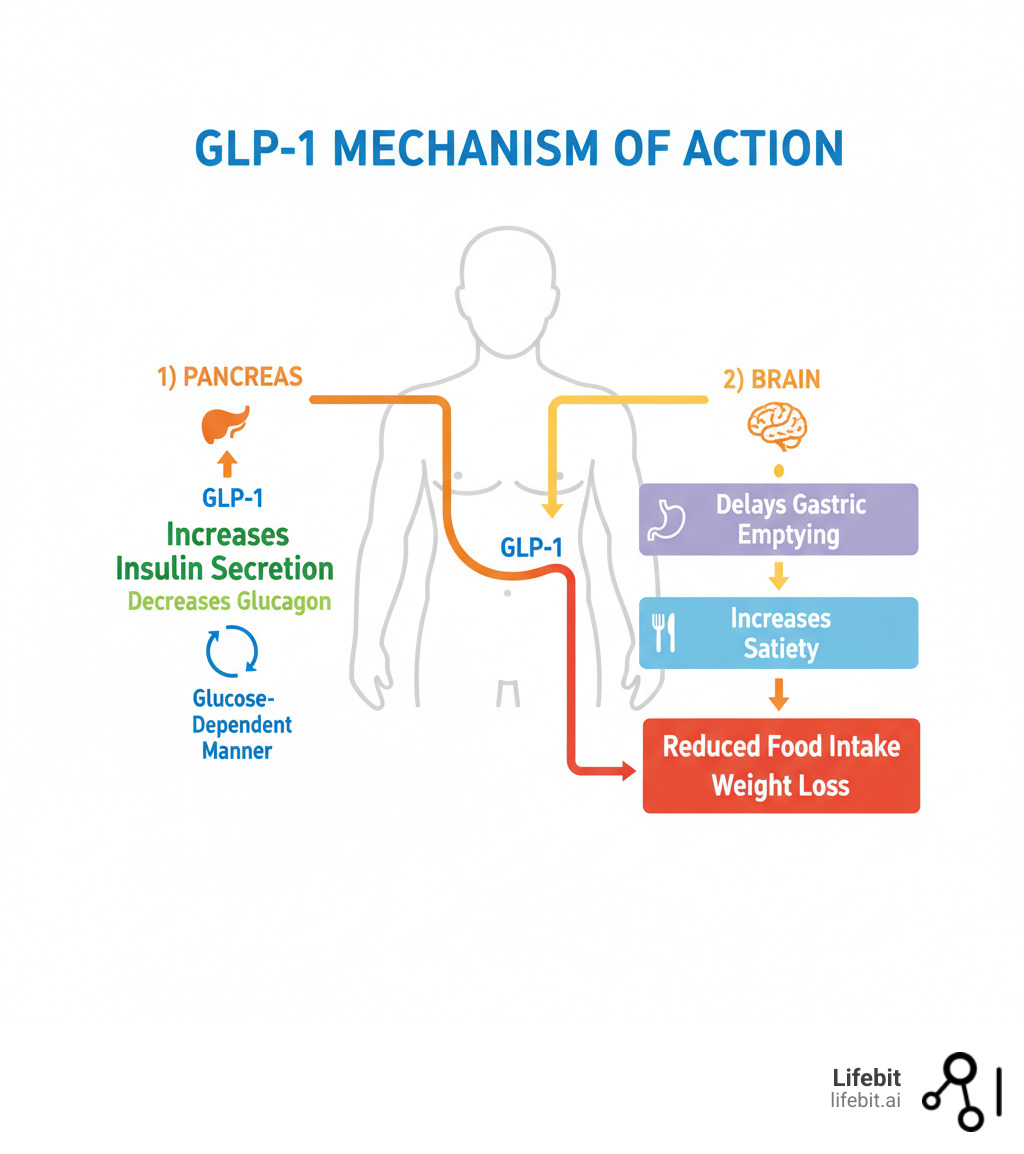
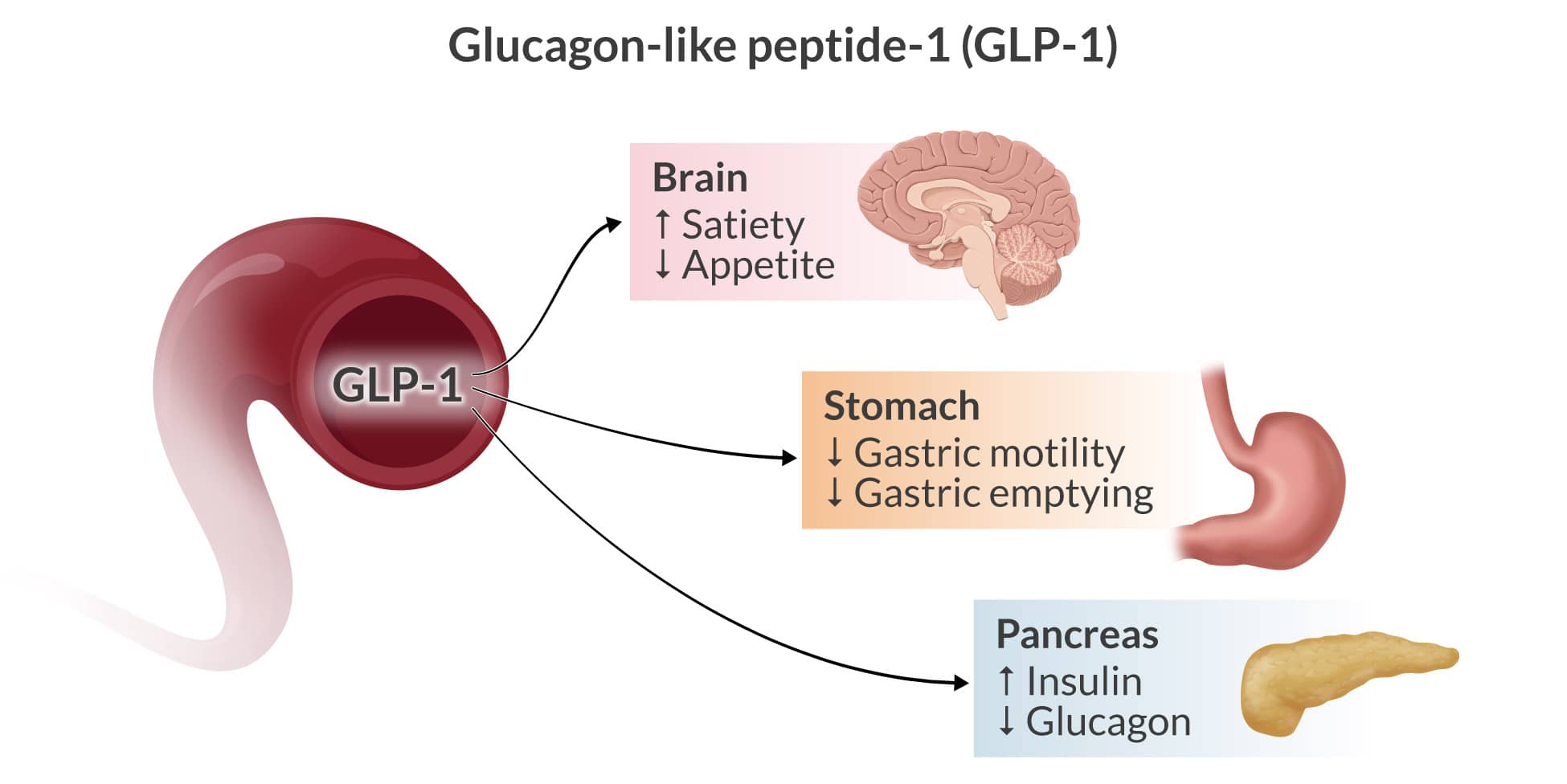
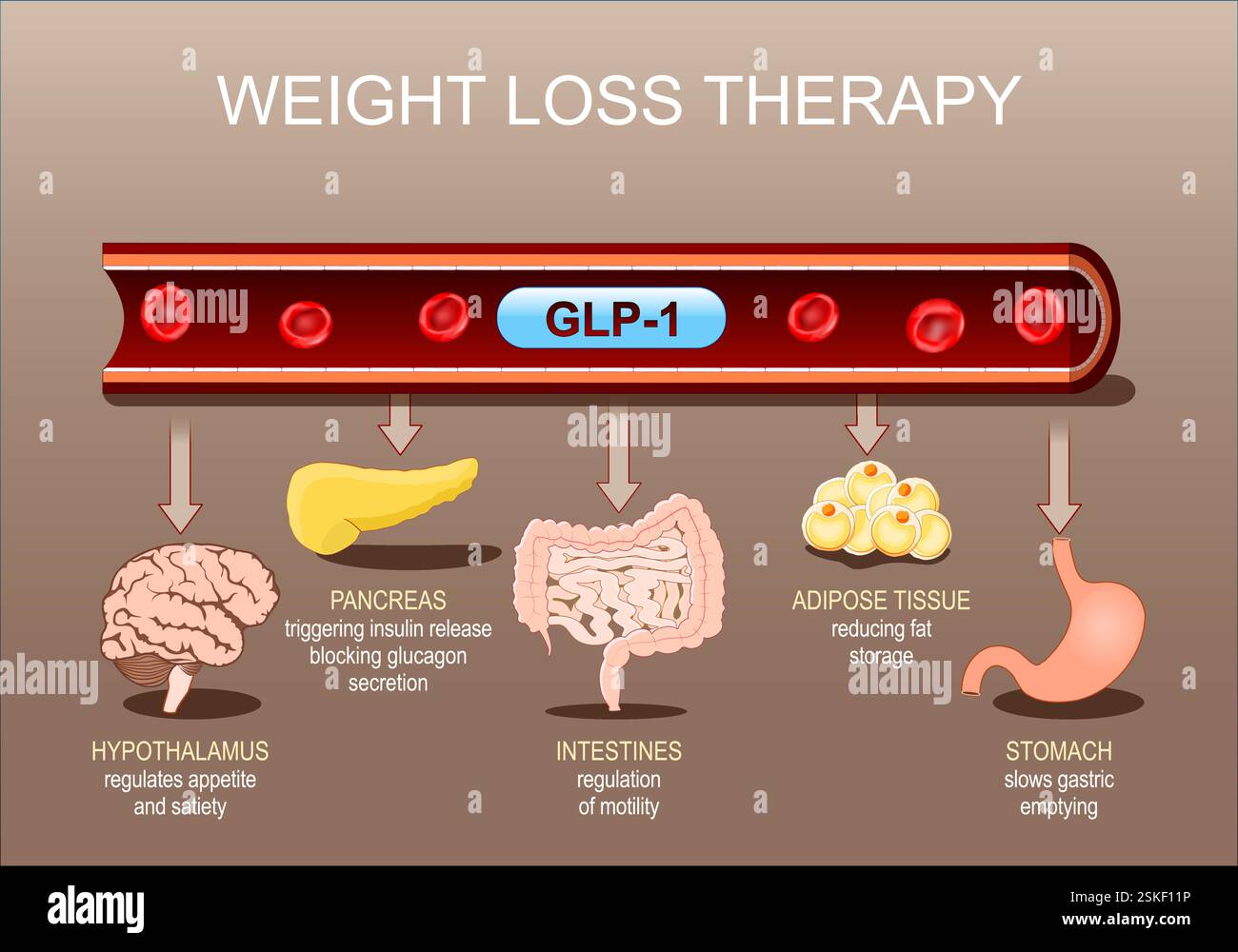
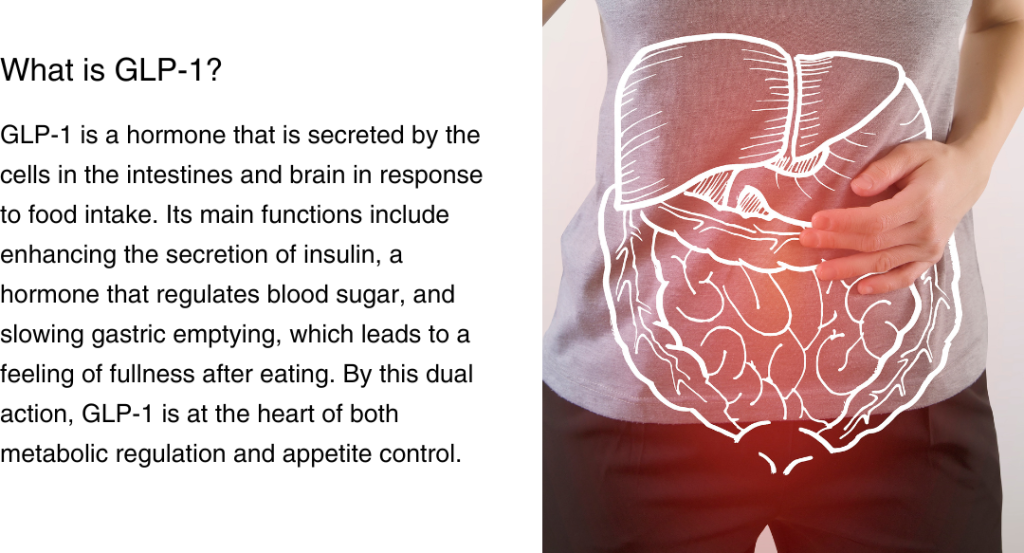
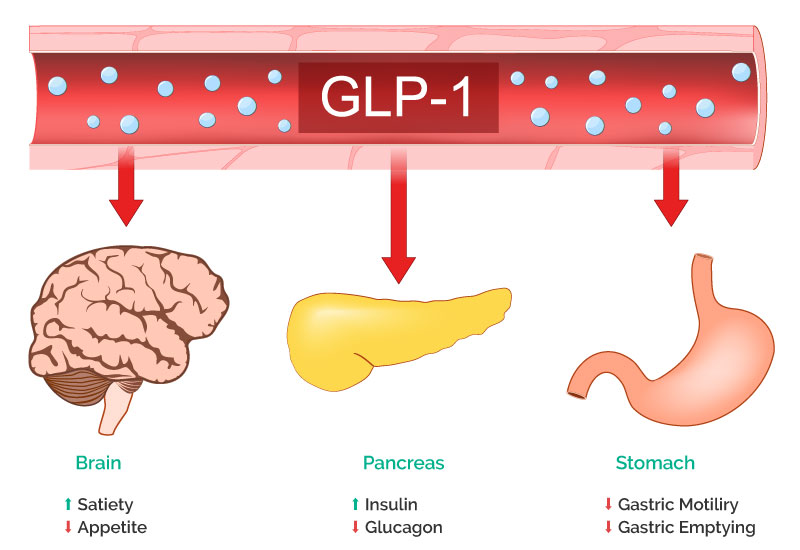
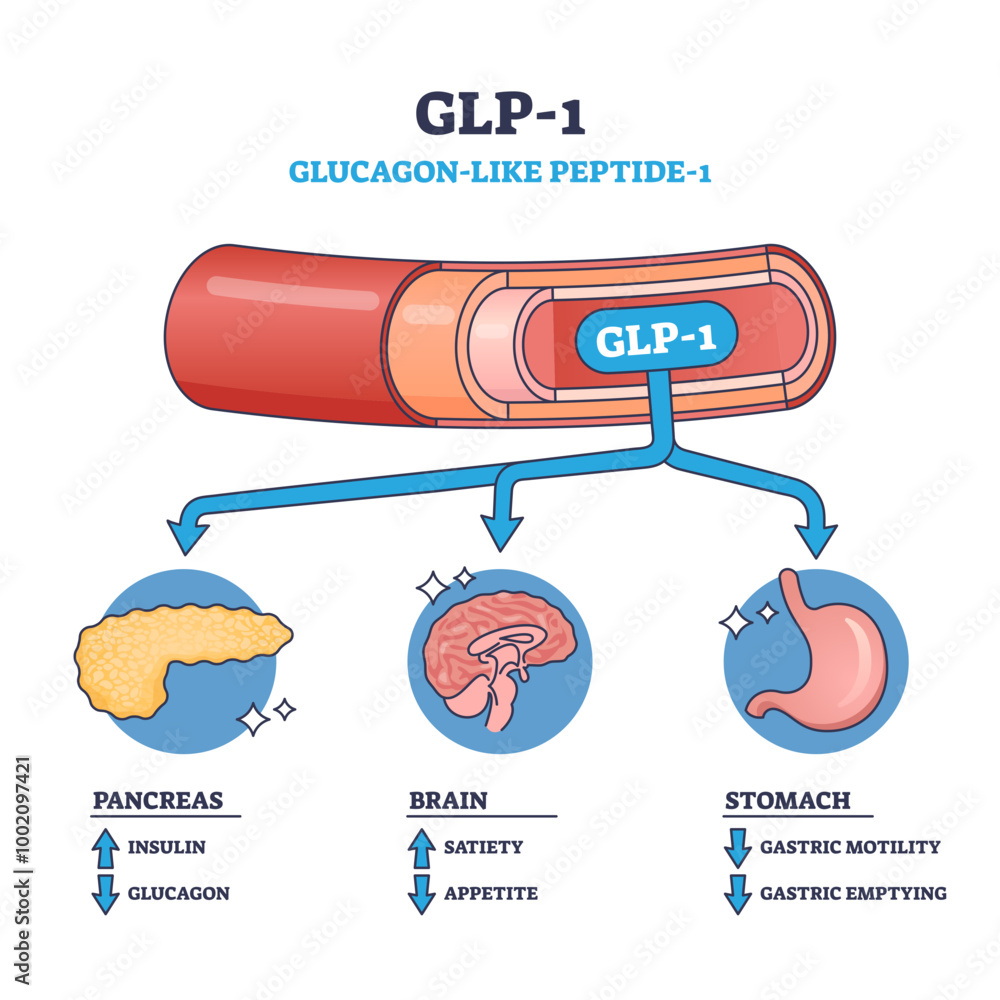
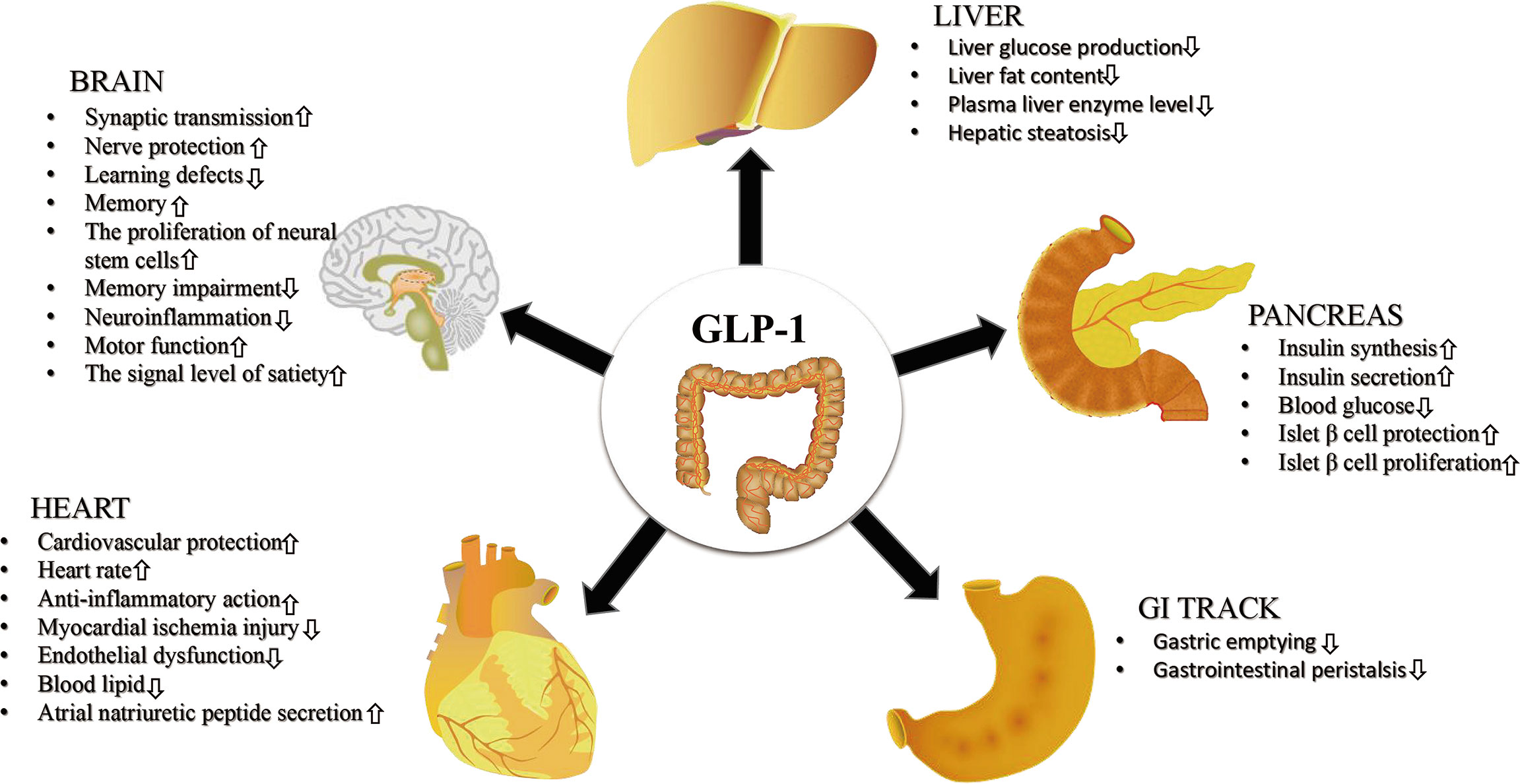
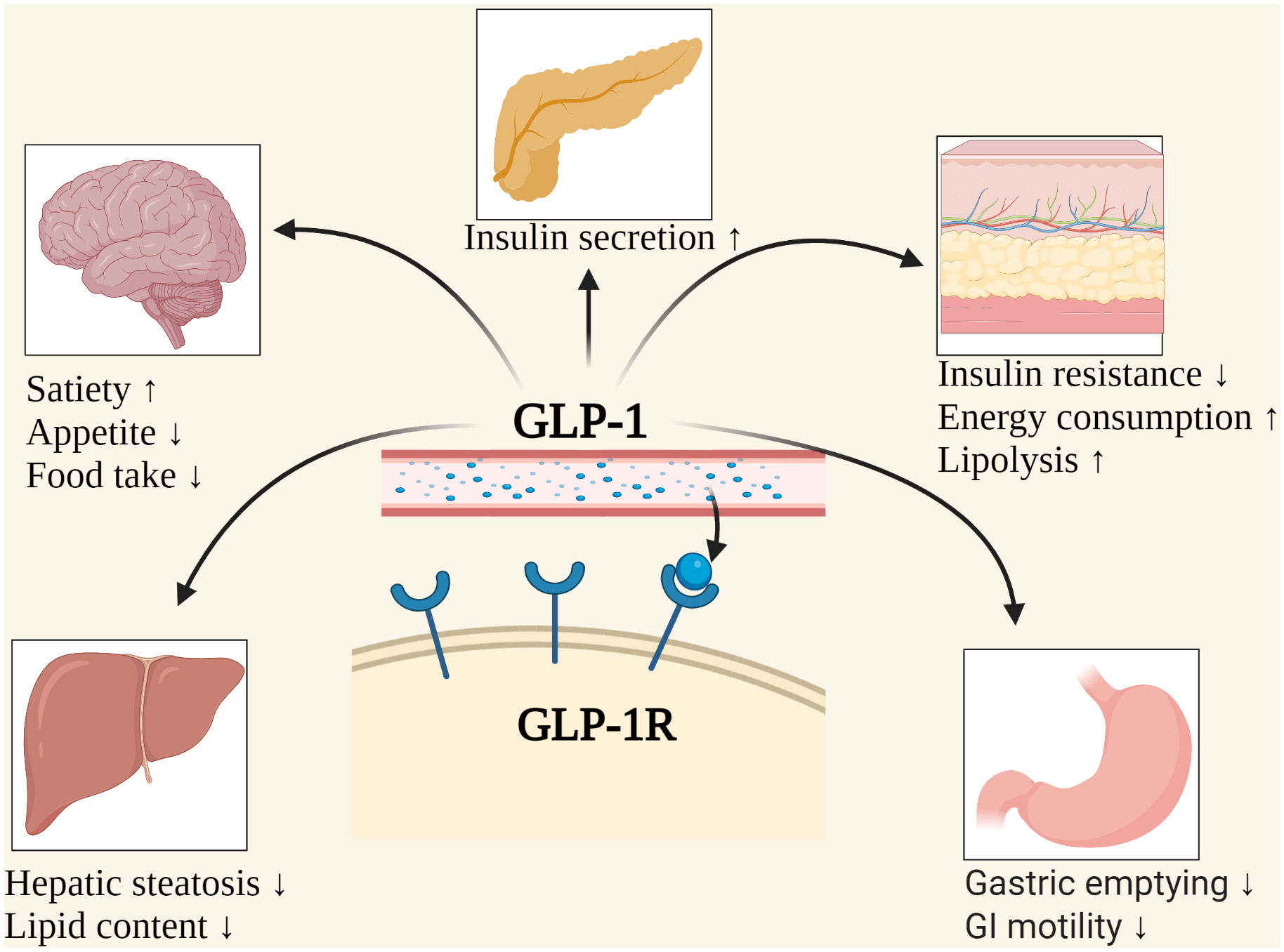
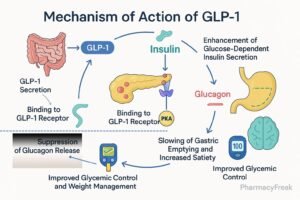
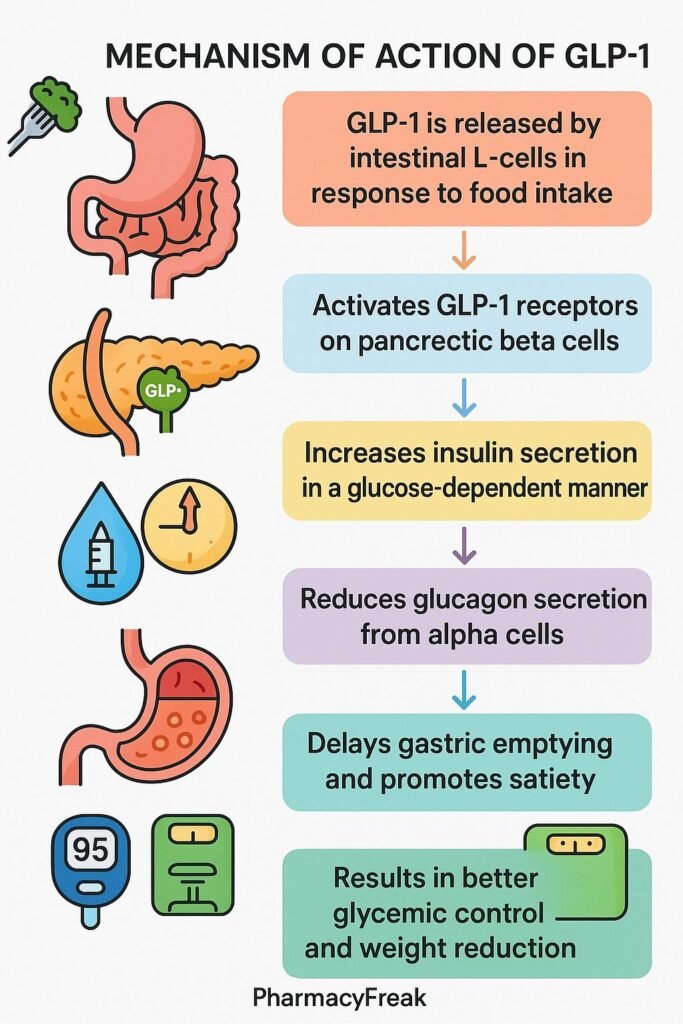
Glucagon-like peptide-1 ( GLP-1 ) receptor agonists (RAs) have become central in managing obesity and type 2 diabetes, primarily through appetite suppression and metabolic regulation . This review explores the mechanisms underlying GLP-1 RA-induced weight loss, focusing on central and peripheral pathways.
Glp 1 And Appetite Regulation Improvement
This particular example perfectly highlights why Glp 1 And Appetite Regulation Improvement is so captivating.
Rebalancing the Gut
Glp 1 And Appetite Regulation Improvement
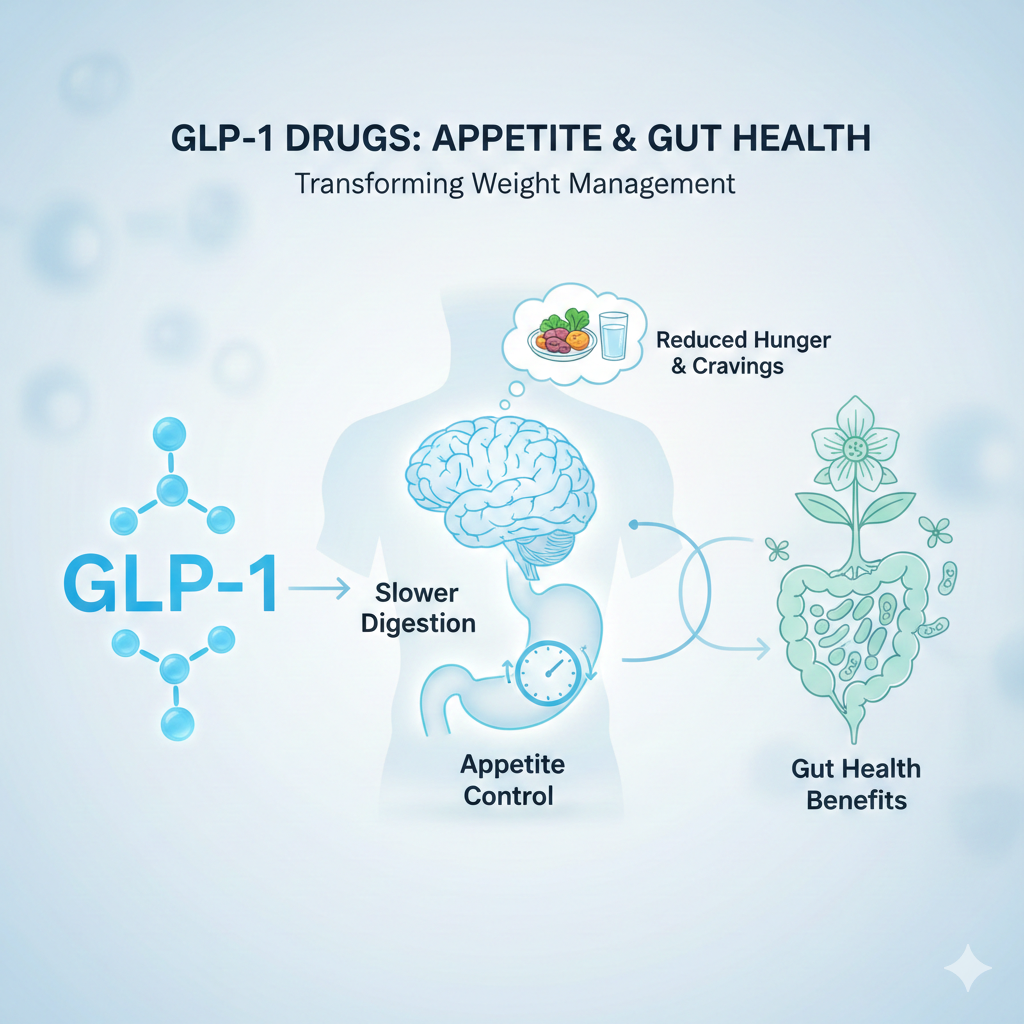
Furthermore, visual representations like the one above help us fully grasp the concept of Glp 1 And Appetite Regulation Improvement.
Background/Objectives: Glucagon-like peptide-1 receptor agonists ( GLP -1RAs) have revolutionised higher weight and diabetes treatment, but their effects on appetite and reward also intersect with eating, emotional, and body image processes, posing new challenges for eating disorder (ED) re-search and care. This narrative review integrates emerging evidence on how GLP -1RA usage shapes eating ...
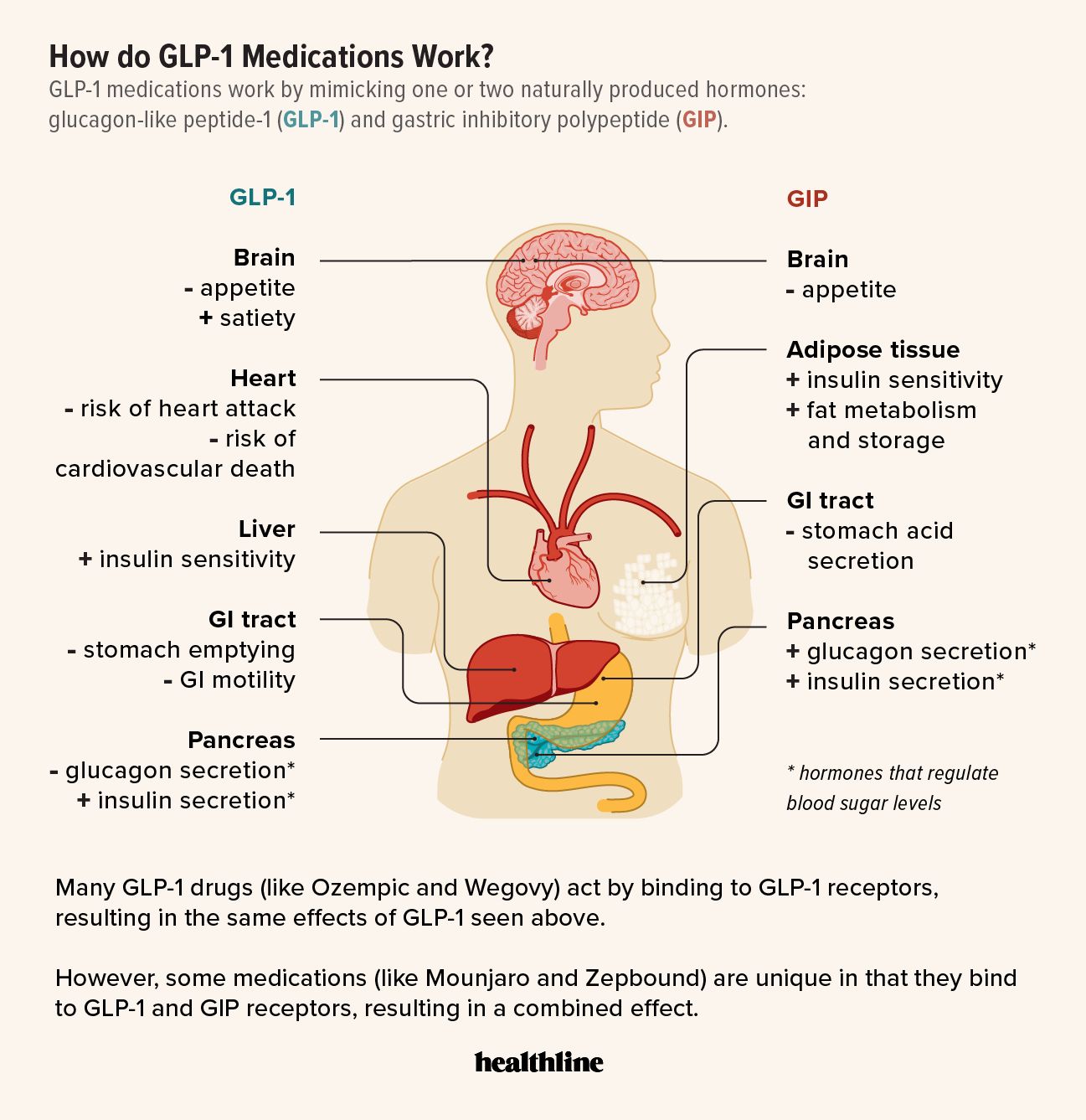
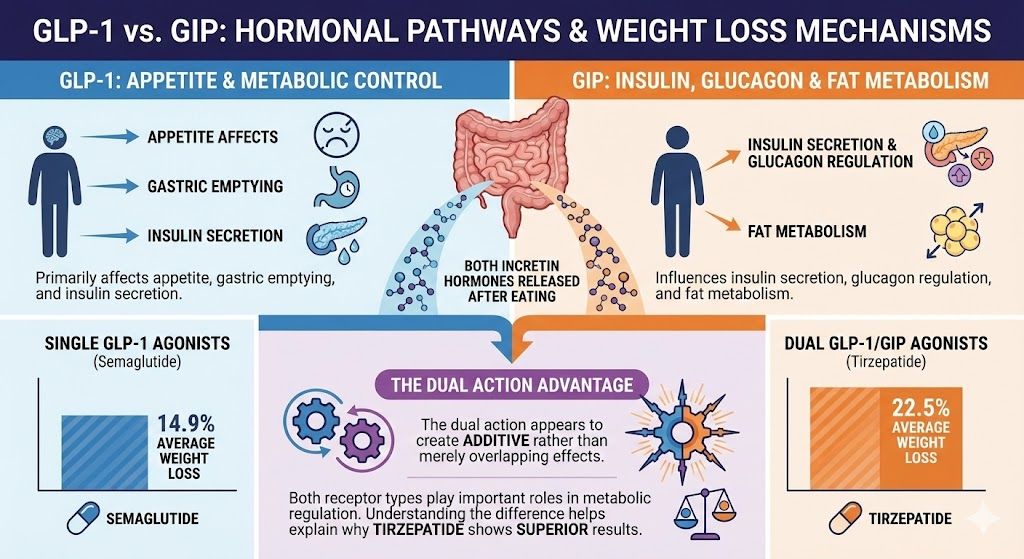
GLP-1 Medications: Semaglutide, Tirzepatide, and Retatrutide Given GLP-1's powerful effects on appetite and glucose regulation , researchers developed synthetic medications that mimic its action. The receptor for GLP-1 is the GLP-1 receptor (GLP1R gene, below in the genotype report section), a G-protein-coupled receptor.