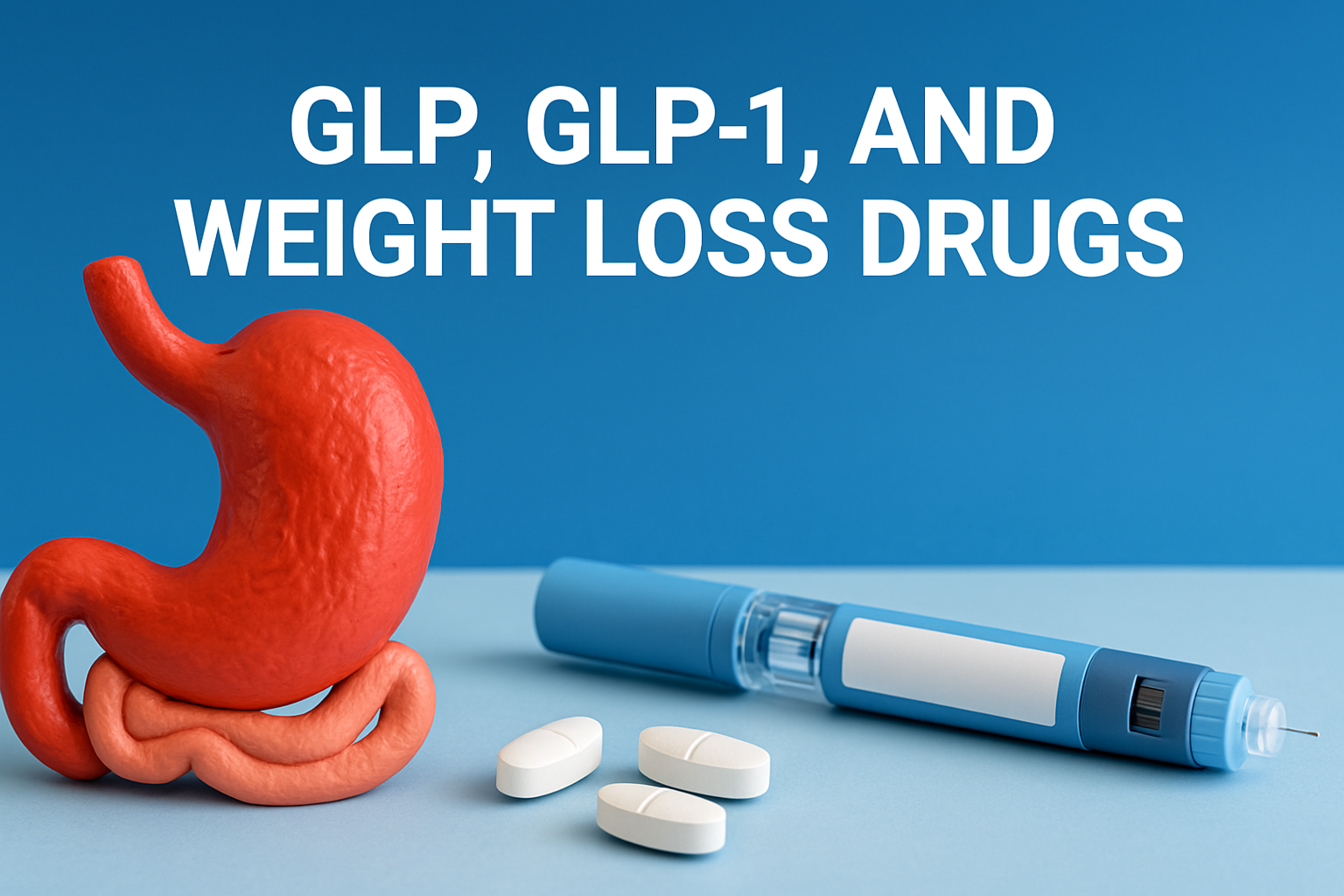
Nutritional and lifestyle supportive care recommendations for ...
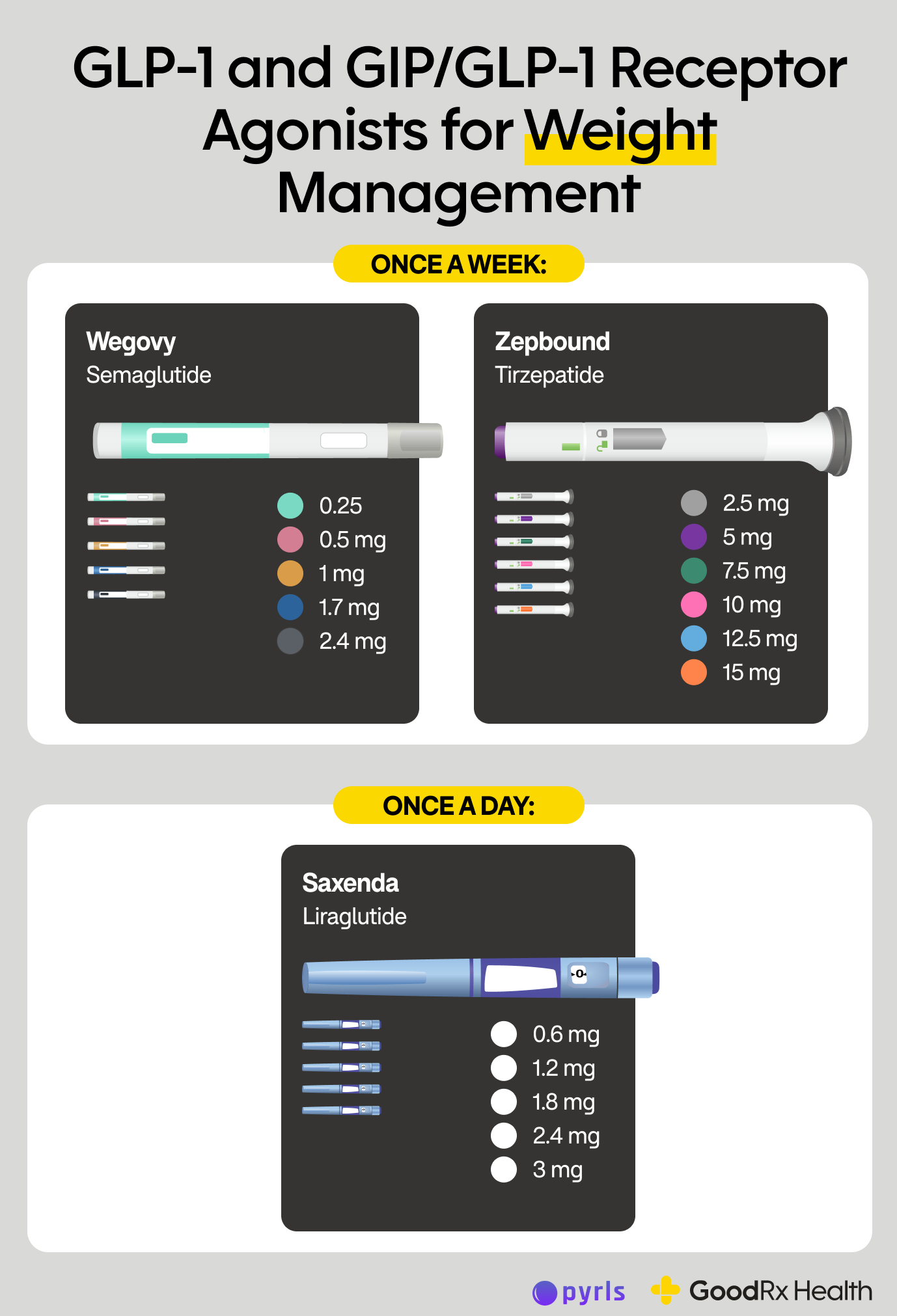
The US Food and Drug Administration (FDA) approval for weight management of the first-generation glucagon-like peptide 1 ( GLP-1 ) receptor agonists (RA) liraglutide in 2014 followed by two more potent GLP-1 based therapies (GBT), semaglutide ( GLP -1RA) in 2021 and tirzepatide (dual GLP-1/gastric inhibitory polypeptide RA) in 2023 [8, 9] have led to a paradigm shift in the management of health ...
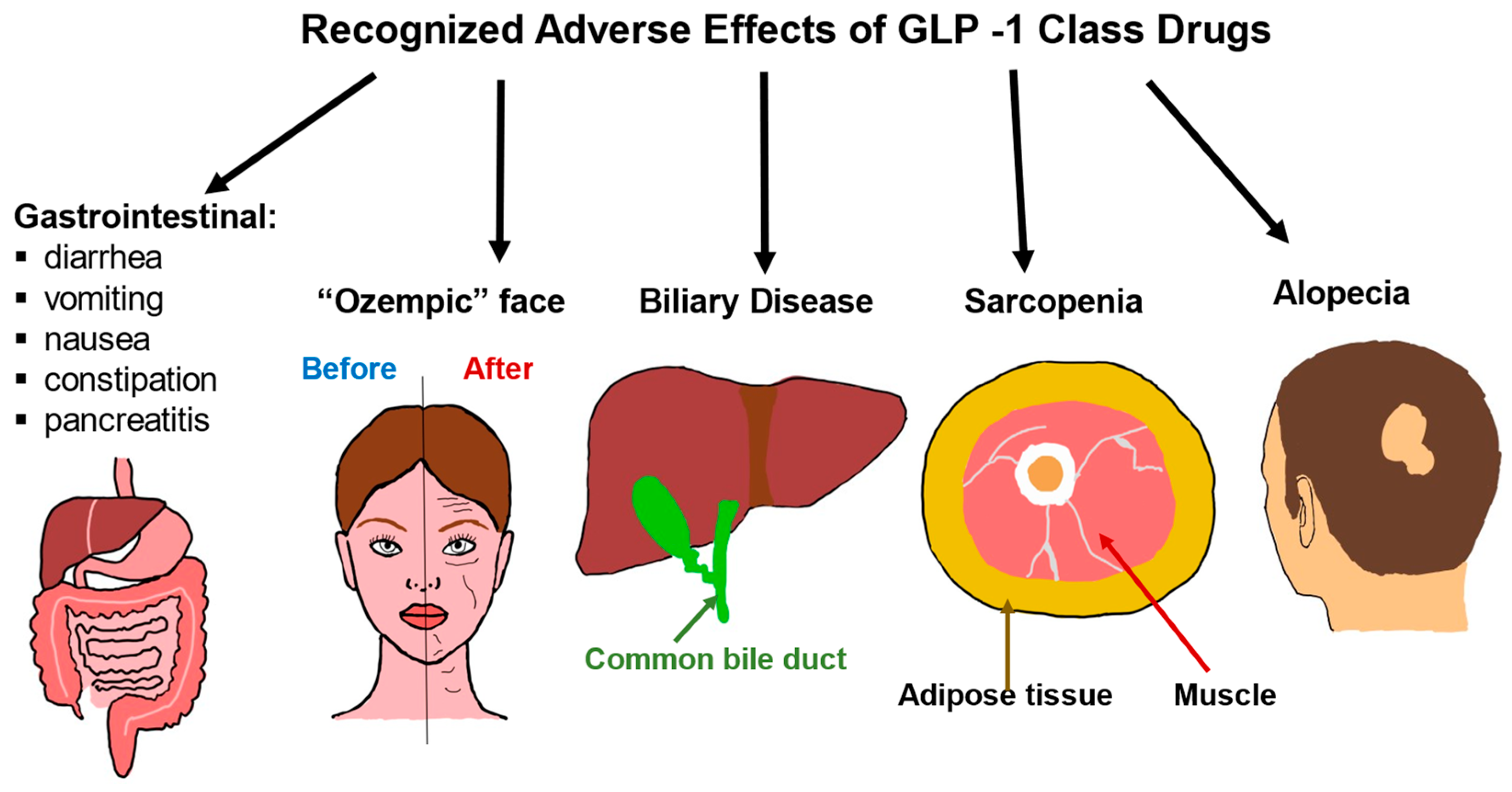
The significant weight loss under GLP-1 RAs and reduced food intake makes it crucial to consume nutrient-dense foods in order to achieve adequate nutrient intake, particularly with regard to micronutrients such as vitamins and minerals [25]. Due to the substantial weight loss over a short period, GLP-1 RA may cause a disproportionate decrease in micronutrient intake, especially when energy ...
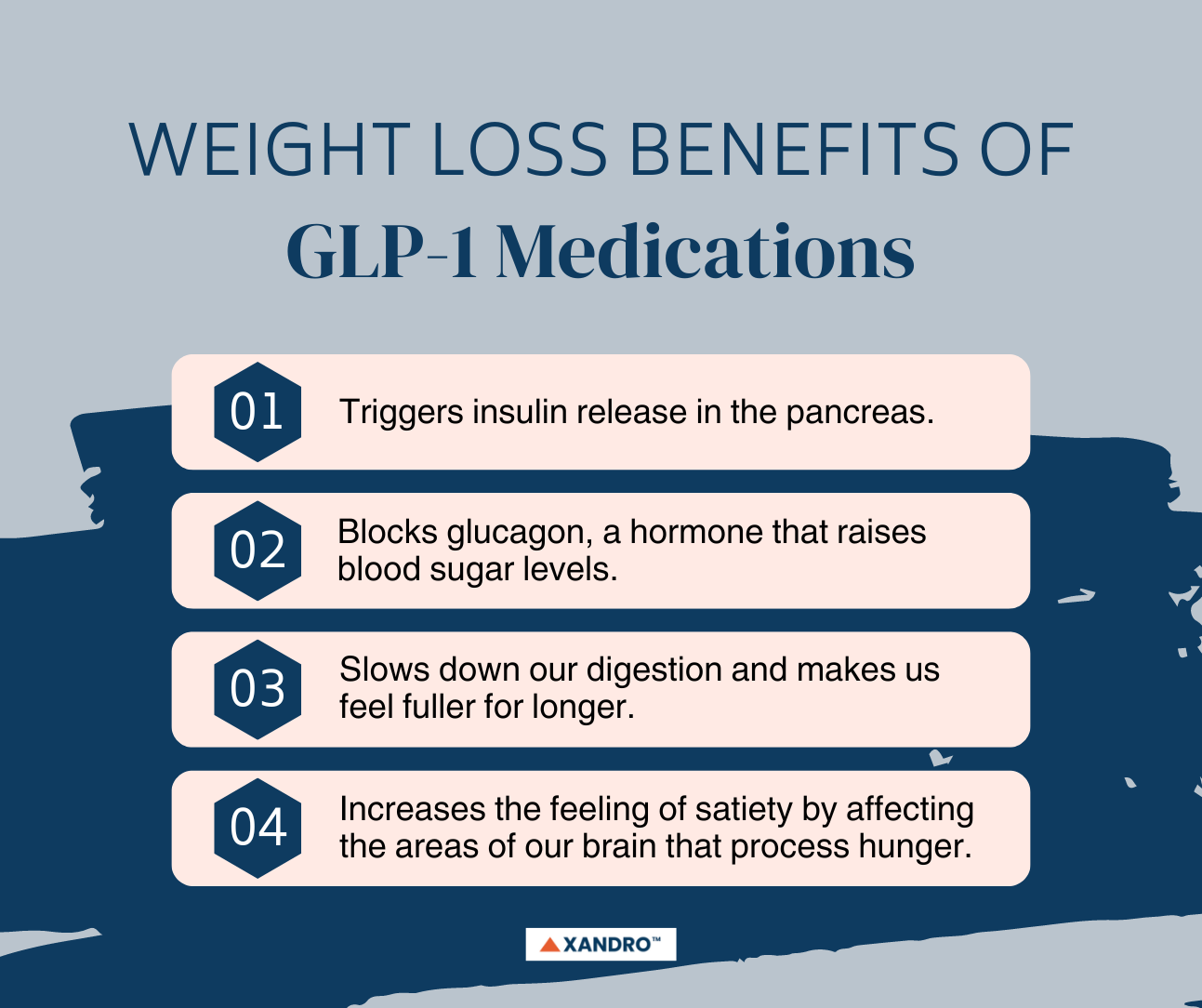
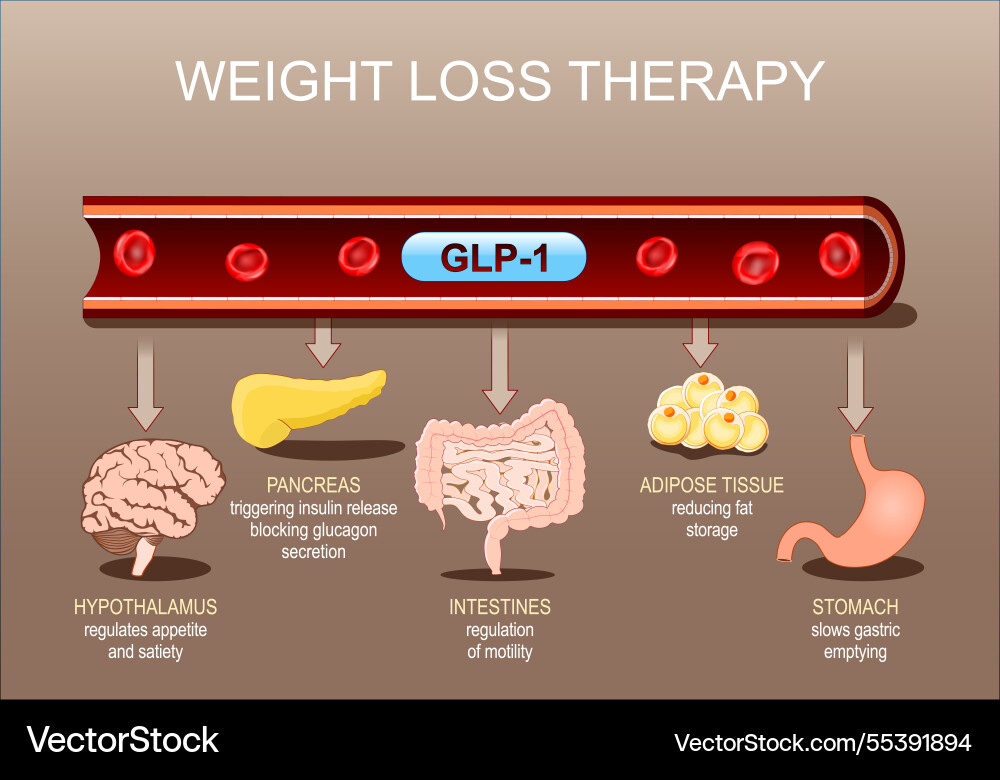
Furthermore, visual representations like the one above help us fully grasp the concept of Glp-1 And Weight Management For Energy.
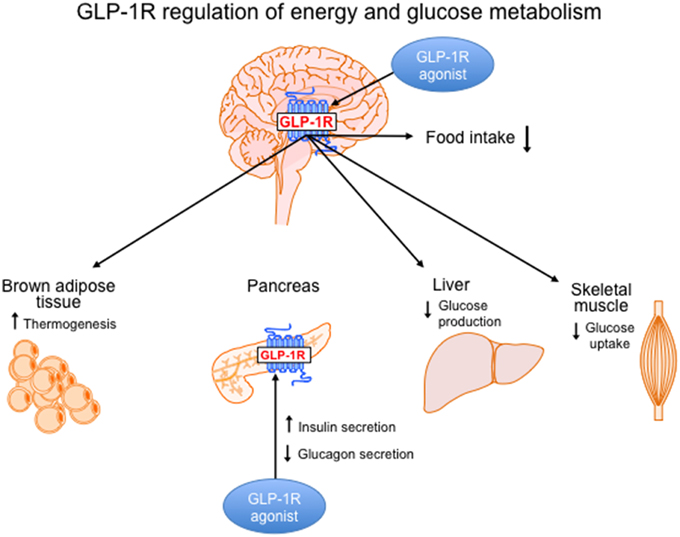
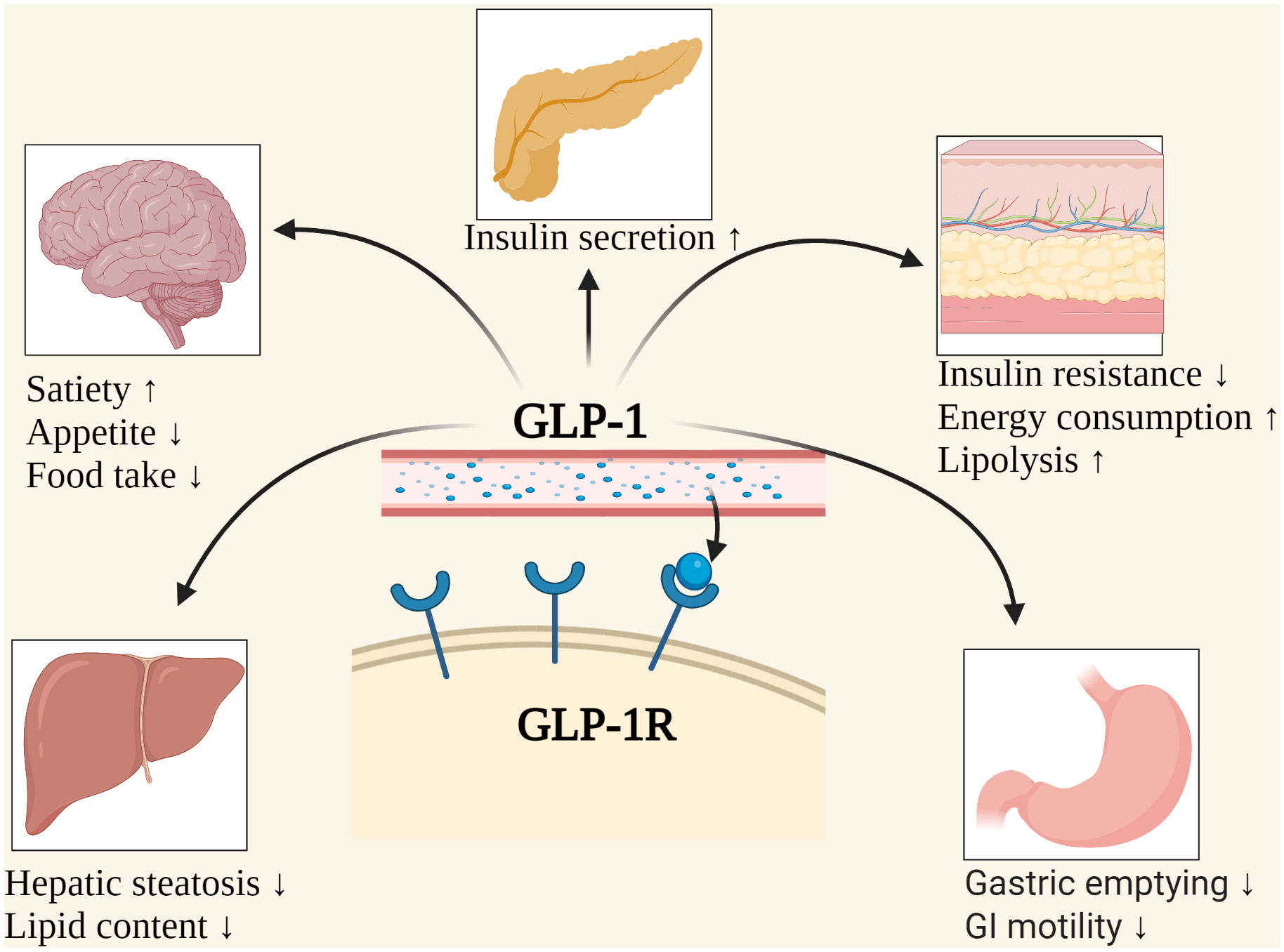
This review explores the mechanisms underlying GLP-1 RA-induced weight loss, focusing on central and peripheral pathways. Centrally, GLP-1 RAs modulate brain regions controlling appetite, influencing neurotransmitter and peptide release to regulate hunger and energy expenditure.
The purpose of this Review is to address our current understanding of how central and peripheral GLP-1 action regulates food intake and body weight . Additionally, we propose an integrated model of short-term and long-term control of energy balance and discuss this model with respect to current GLP-1-based therapeutics.

Nutritional priorities to support GLP
Emerging areas for more study include dietary modulation of endogenous GLP-1 , strategies to improve compliance, nutritional priorities for weight maintenance post-cessation, combination or staged intensive lifestyle management , and diagnostic criteria for clinical obesity.
Glucagon-like peptide-1 receptor agonists ( GLP-1 RAs) have transformed obesity management , offering substantial weight loss and metabolic benefits. This review examines their expanding role, evaluating efficacy compared to alternative treatments, emerging indications, ongoing challenges, and future directions. Beyond obesity and type 2 diabetes, the therapeutic potential of GLP-1 RAs extends ...