Beautiful Perspectives on Hoodia Gordonii Appetite Suppressant
Hoodia Gordonii
The appetite suppressant effects of Hoodia were first observed in 1937 by a Dutch anthropologist studying the primitive San Bushmen of the Kalahari Desert. It was noticed that the nomadic Bushmen, (who call it Xhoba) ate the stem of the Hoodia plant to stave off hunger during long hunting trips in the sparsely vegetated area.
The exact composition of Hoodia gordonii varies depending on environmental factors, such as soil type, rainfall, and plant age, which complicates standardization in commercial products. Medicinal Actions Hoodia gordonii is primarily valued for the following pharmacological effects: Appetite suppressant : The P57 glycoside is believed to act on the hypothalamus, increasing ATP levels in neurons ...
Hoodia Gordonii Appetite Suppressant
Hoodia gordonii
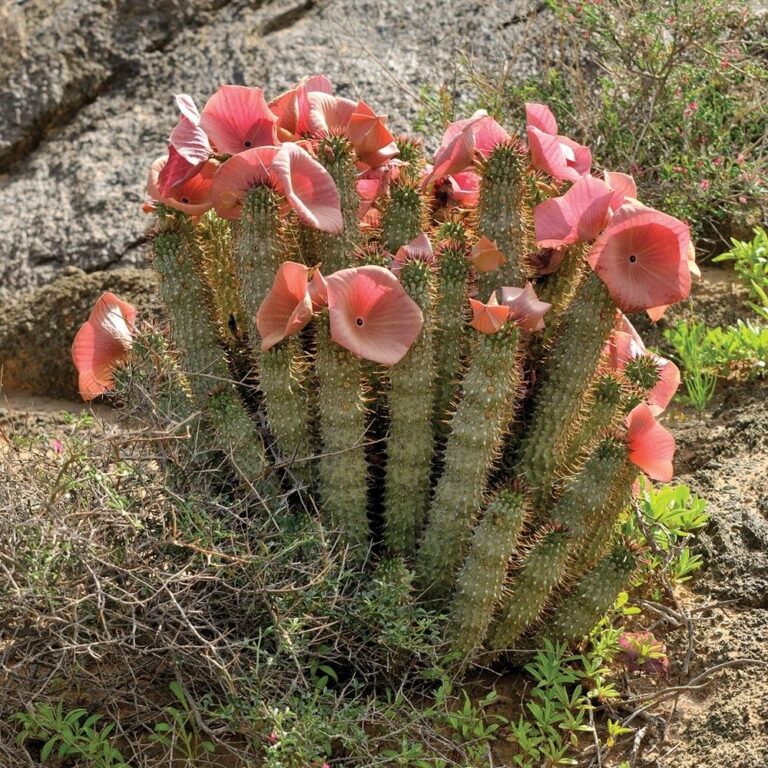
Hoodia gordonii , also known as Bushman's hat, is a leafless spiny succulent plant claimed to have therapeutic properties in folk medicine. It grows naturally in Botswana, South Africa and Namibia. The species became internationally known and threatened by collectors, after a marketing campaign falsely claimed that it was an appetite suppressant for weight loss. [2][3] The flowers smell like ...
Hoodia Gordonii Appetite Suppressant
Hoodia Weight Loss Pills
However, as with any supplement, the decision to consume Hoodia Gordonii must be informed and mindful of both its benefits and potential drawbacks. Reasons to Eat Hoodia Gordonii Natural, plant-based appetite suppressant Used traditionally for centuries by indigenous communities Some users report decreased cravings and easier portion control