Mastering the Concepts of Lymphoma In Cats With Lymphoplasmacytic Lymphoma Visually
The Treatment of Feline Cutaneous Lymphoma
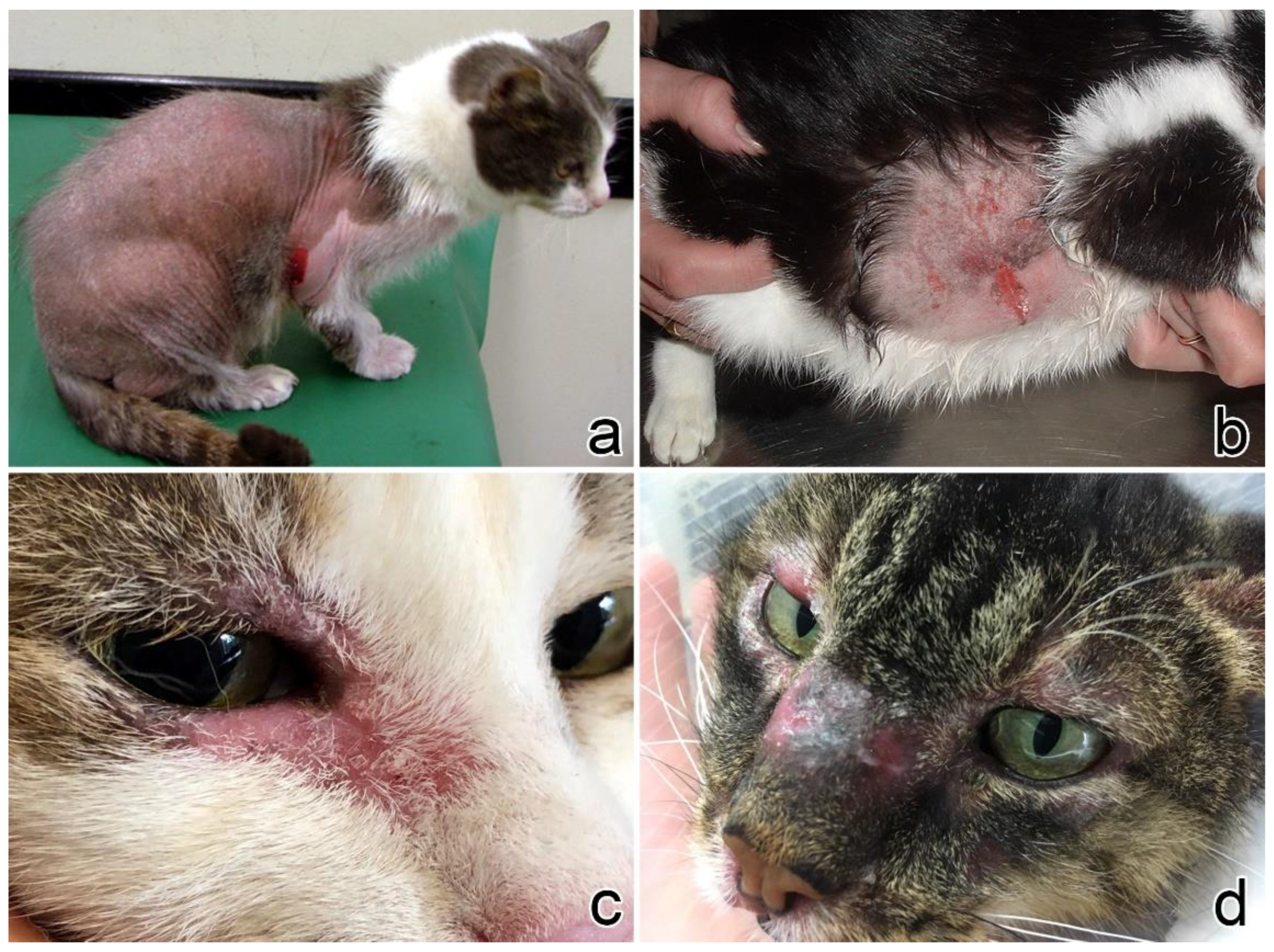
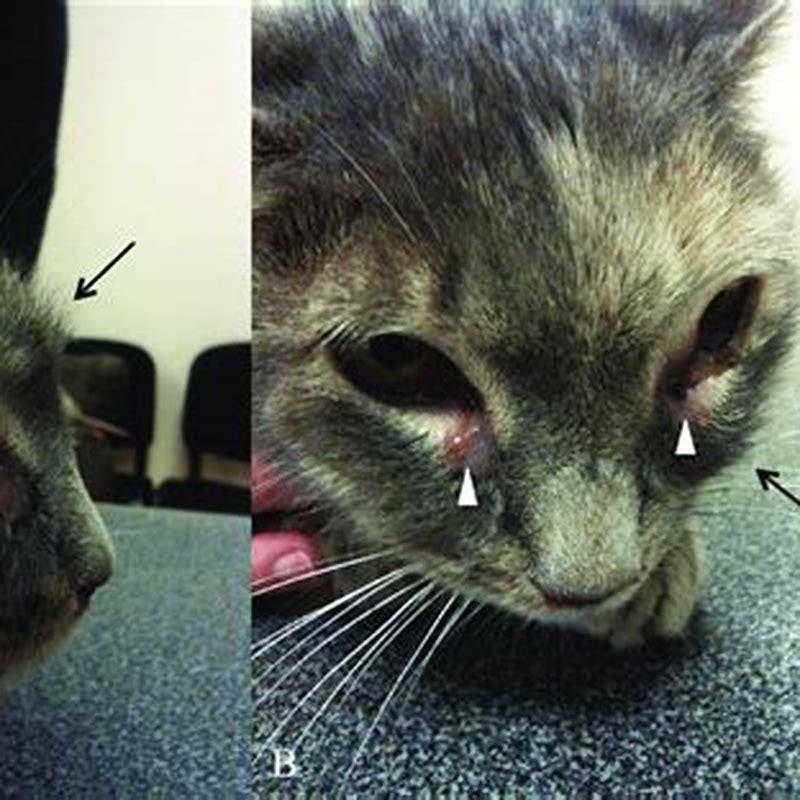
Cutaneous non-epitheliotropic lymphoma (CNEL) is the more common condition in cats and includes indolent T-cell lymphoma (or cutaneous lymphocytosis), diffuse T-cell lymphoma , T-cell-rich large B-cell lymphoma , and lymphoplasmacytic lymphoma [1].
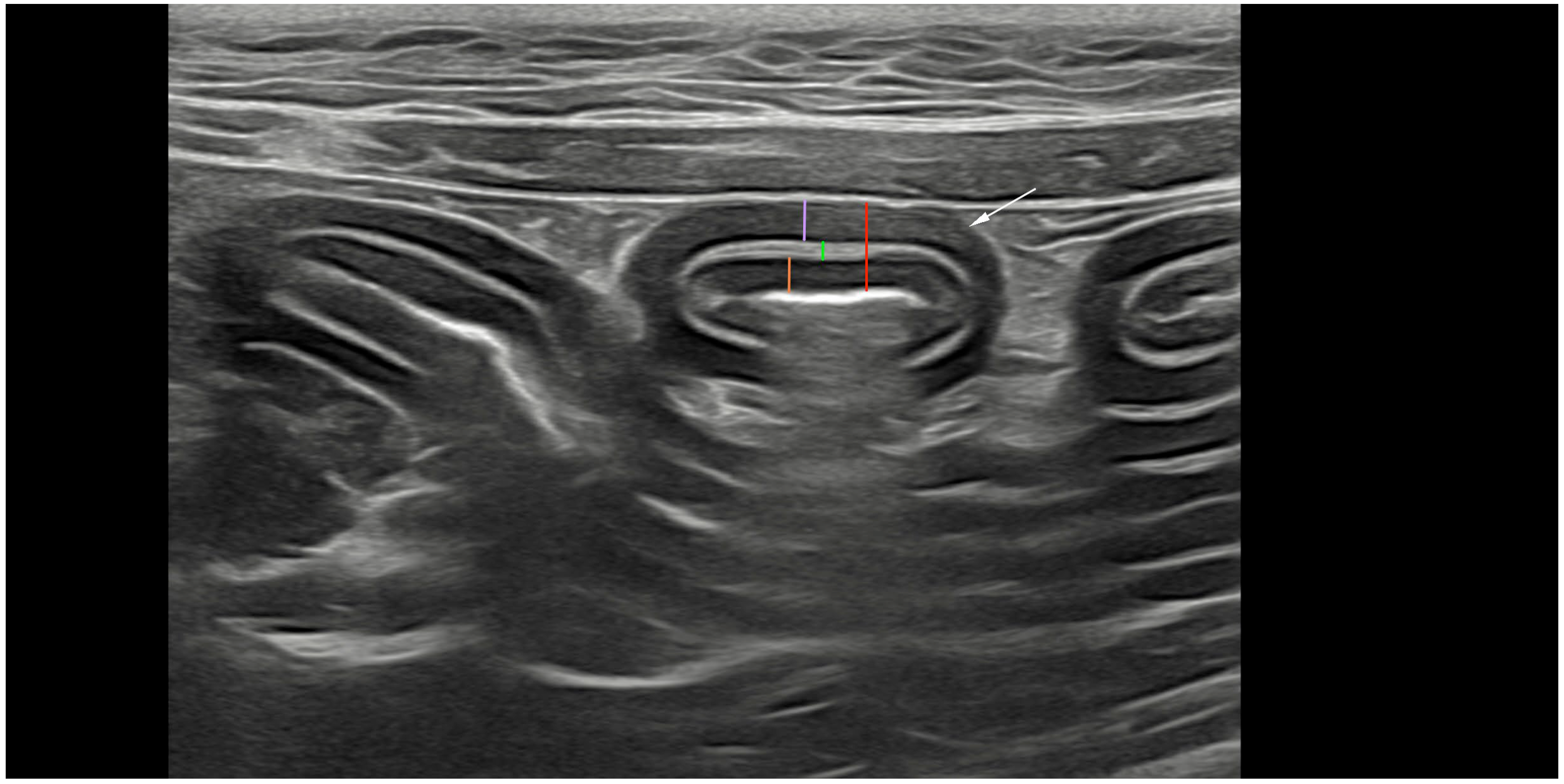
It is unknown whether intestinal ultrasonographic measurements differ between lymphoplasmacytic enteritis (LPE) and low-grade intestinal T-cell lymphoma (LGITL) in cats if the diagnosis is based either on histology/immunohistochemistry (IHC) or on clonality assay results. The effects of treatment on intestinal ultrasonographic measurements are also unknown. Therefore, we prospectively compared ...
Lymphoma In Cats With Lymphoplasmacytic Lymphoma
Such details provide a deeper understanding and appreciation for Lymphoma In Cats With Lymphoplasmacytic Lymphoma.
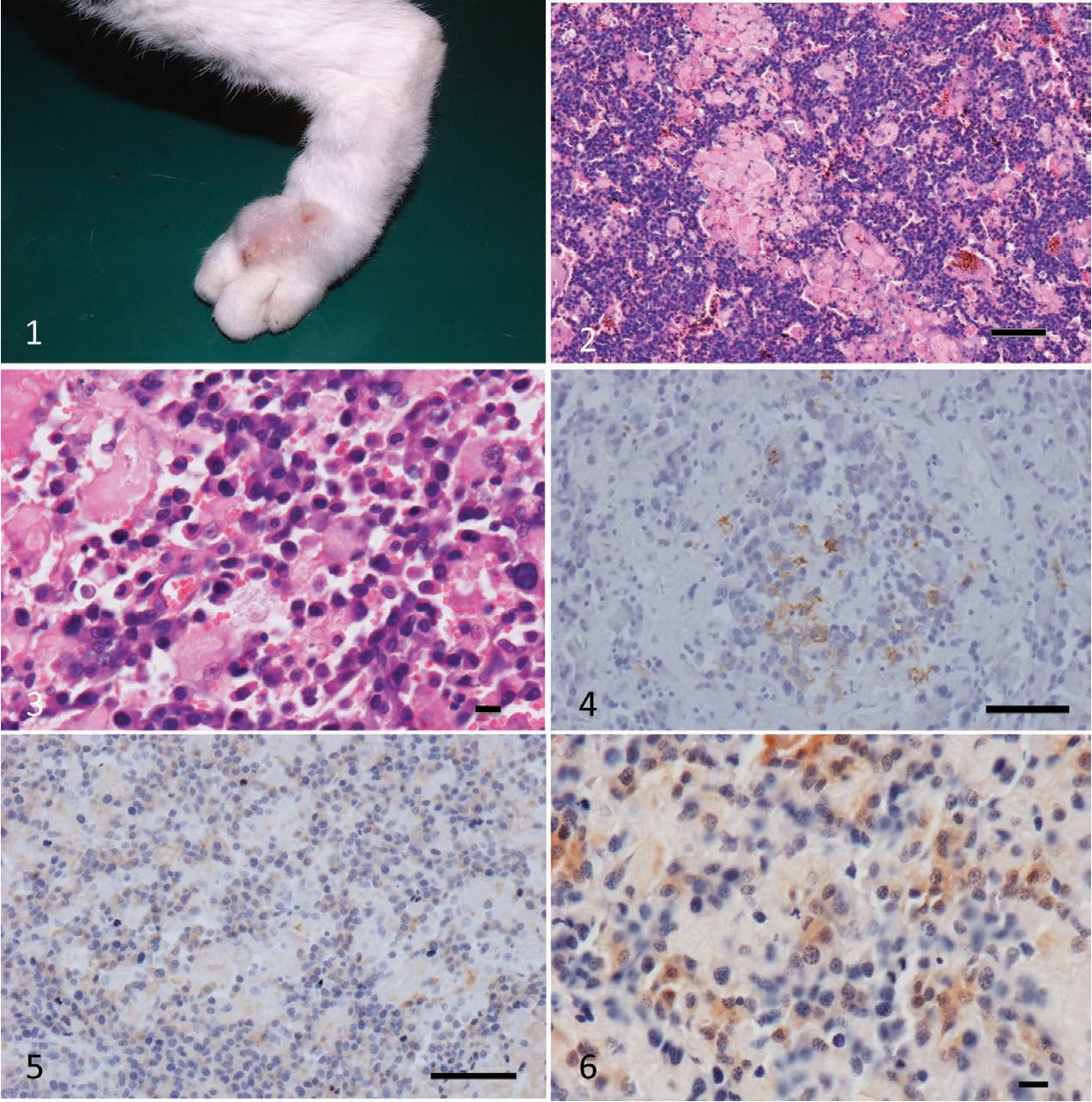
Cutaneous lymphoplasmacytic lymphoma with systemic metastasis in a cat
A lymphoplasmacytic lymphoma was diagnosed in a 12- year-old domestic cat that had a primary cutaneous mass involving the stomach, liver, kidneys, heart, abdominal wall, diaphragm, bone marrow and several lymph nodes. Histopathologically, the most characteristic feature of this tumor was the heterog …
Lymphoma In Cats With Lymphoplasmacytic Lymphoma
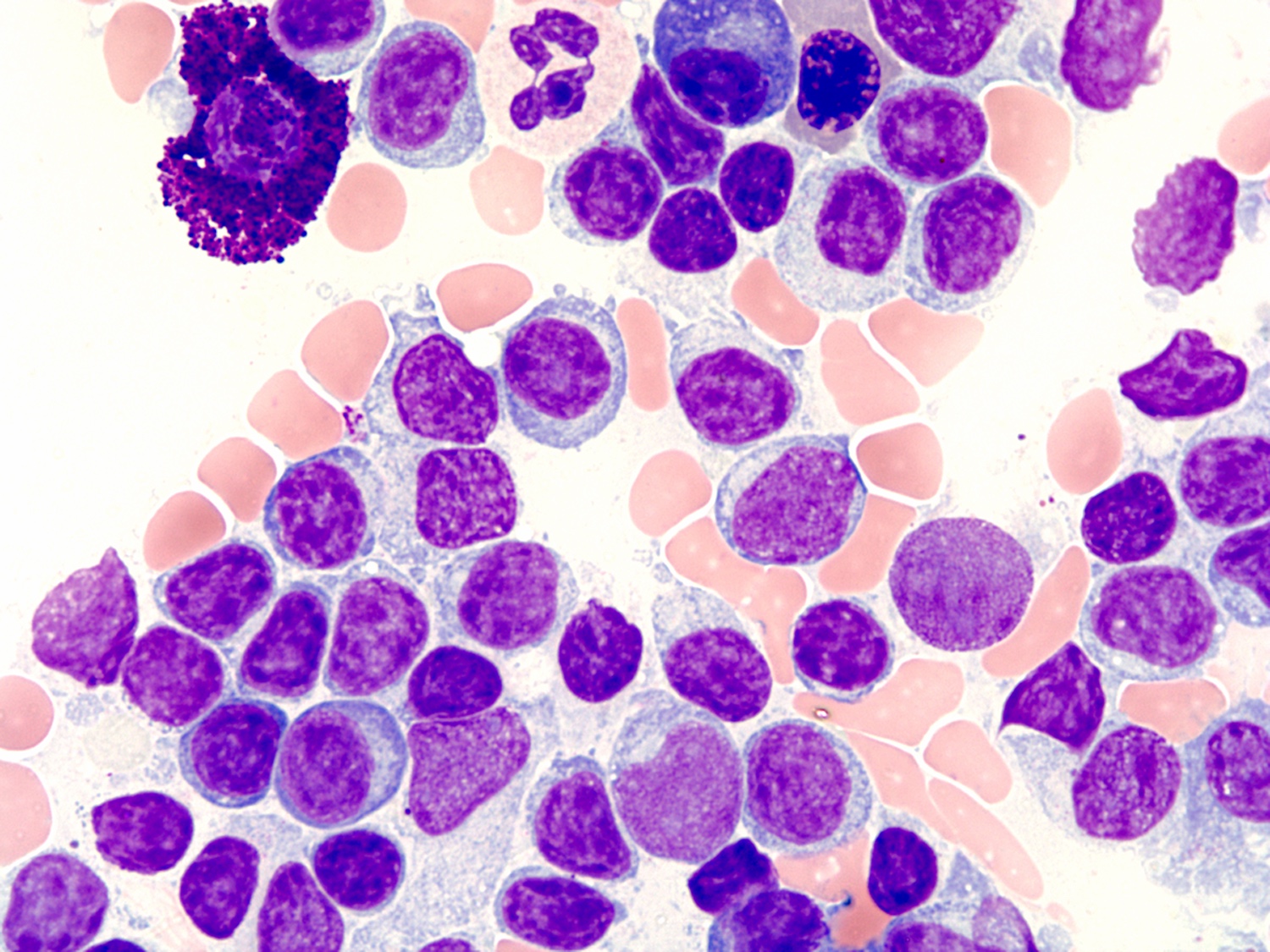
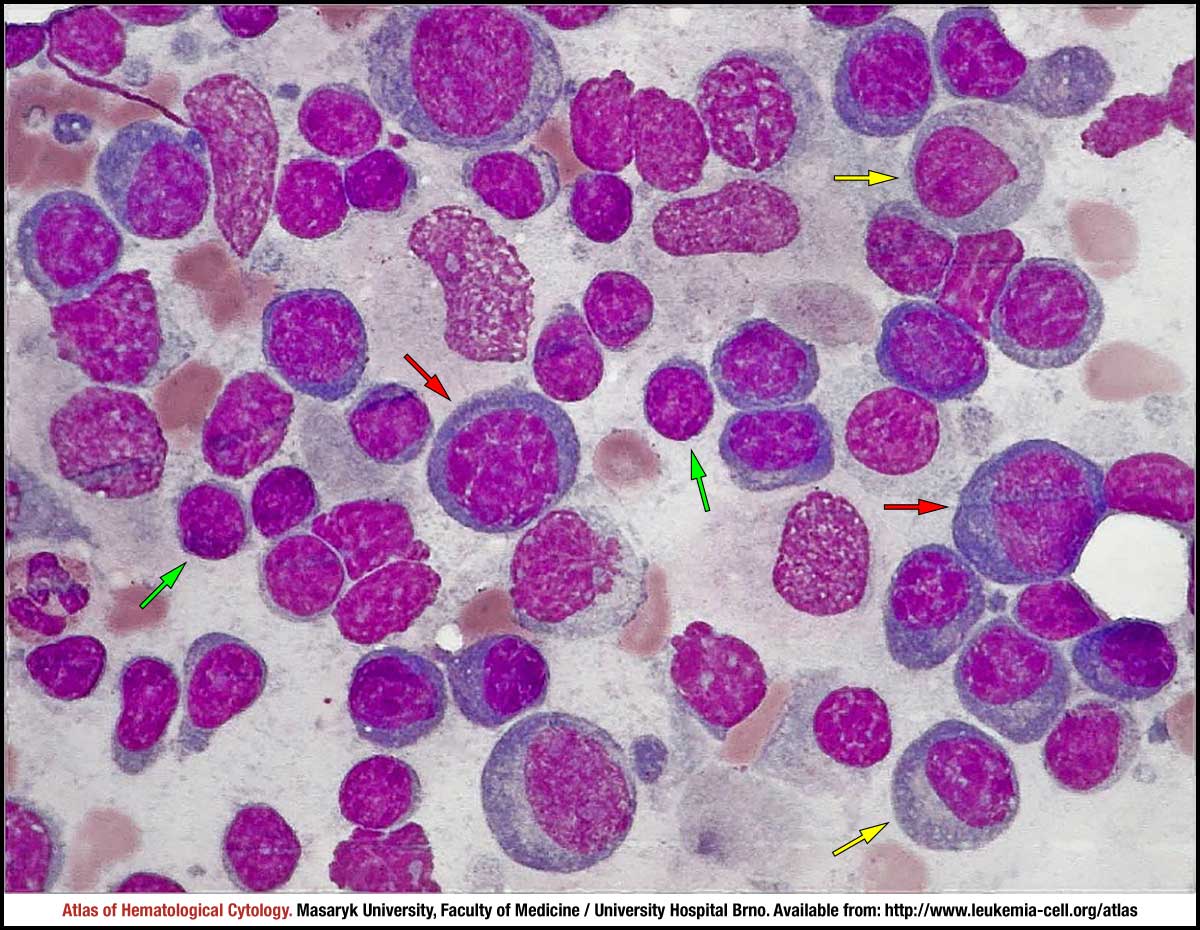
Lymphoplasmacytic lymphoma (LPL) has been described in both veterinary and human medicine. LPL is defined as a small B-cell lymphoma with plasmacytic differ-entiation [2, 10, 12, 13]. It is composed predominantly of lymphocytes, but plasmacytoid or typical plasma cells are an essential component [2, 10, 12, 13].