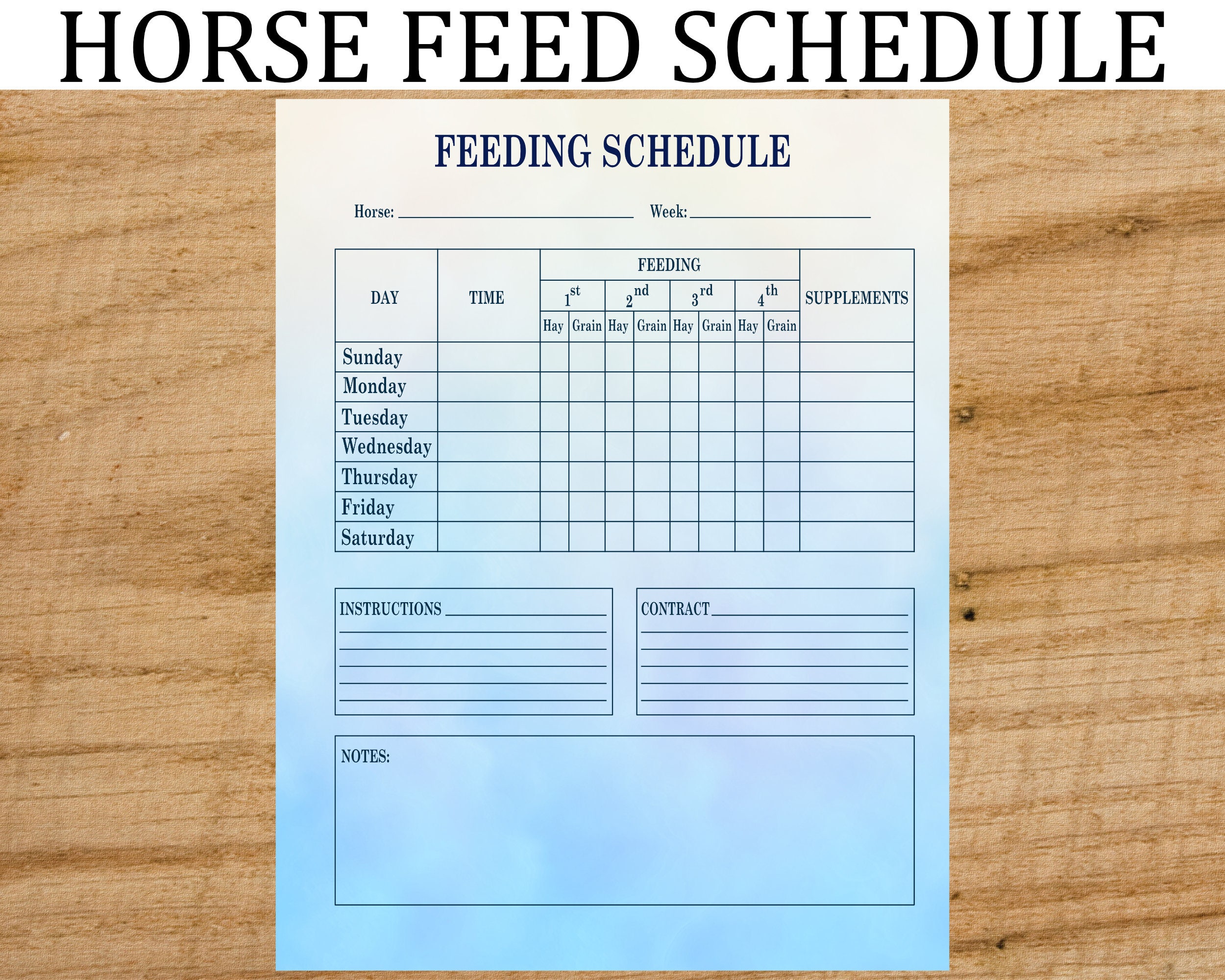
Science Behind The Long And Clean Compared Feeding Schedules
The Hidden Details of Science Behind The Long And Clean Compared Feeding Schedules Revealed
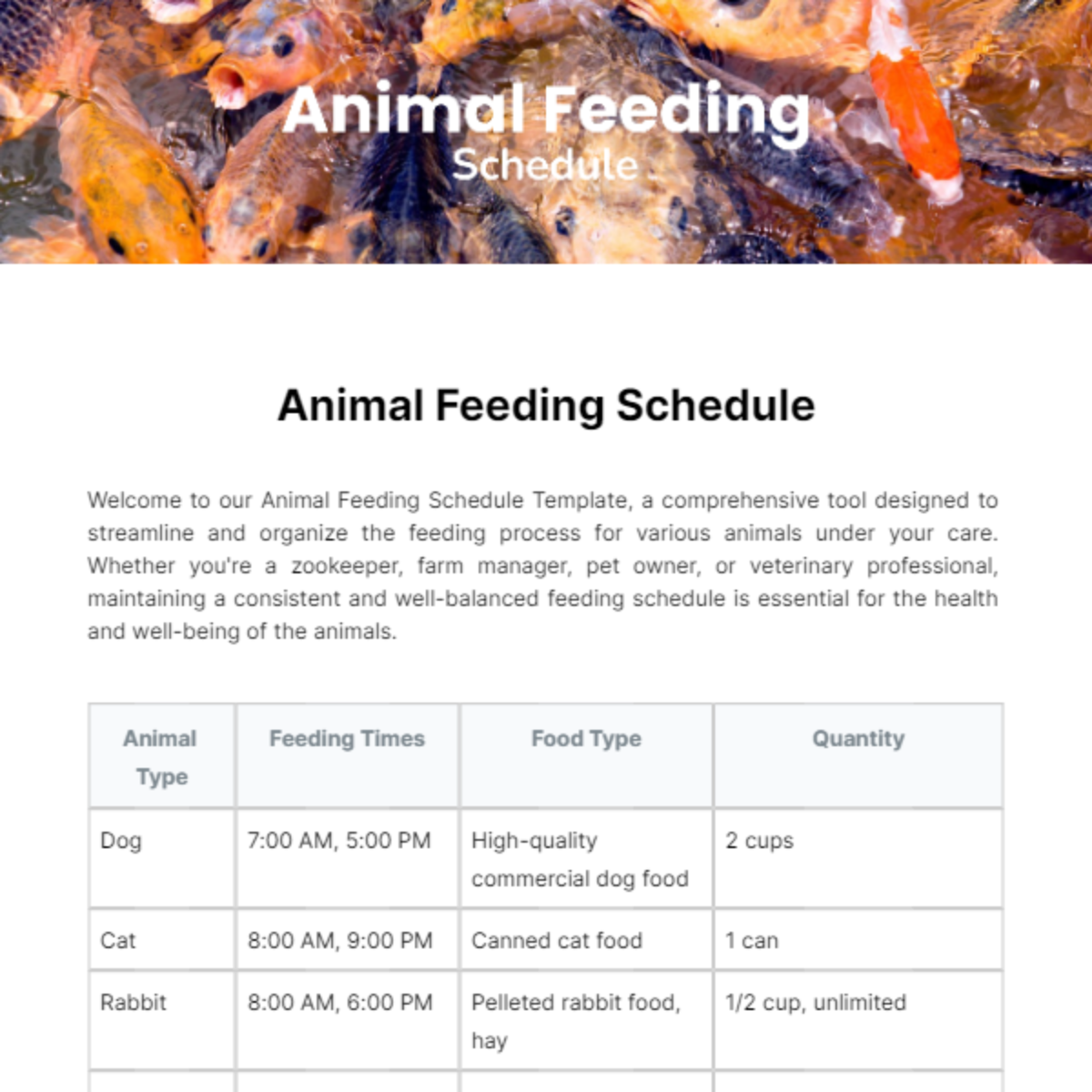
The Ultimate Guide to Fish Feeding Schedules
The Science Behind Optimal Feeding Frequency Recent aquaculture research has revolutionized our understanding of fish feeding schedules . Studies consistently show that feeding smaller amounts multiple times per day produces better growth rates, improved immune function, and reduced waste production compared to single large meals.
Learn how often you should feed your fish with this science -backed guide to feeding schedules that support health, digestion, and clean aquariums.
Science Behind The Long And Clean Compared Feeding Schedules
Moving forward, it's essential to keep these visual contexts in mind when discussing Science Behind The Long And Clean Compared Feeding Schedules.
Synchronizing livestock metabolism with feeding schedules
This provides an opportunity to optimize feeding schedules to enhance nutrient delivery to peripheral tissues and improve efficiency. This approach integrates animal nutrition, physiology, and chronobiology, leading to the emergence of a science called "chronophysiology management" to enhance livestock management practices.
Science Behind The Long And Clean Compared Feeding Schedules
Studies of early and delayed time-restricted feeding in humans were compared for their metabolic health effects systematically.