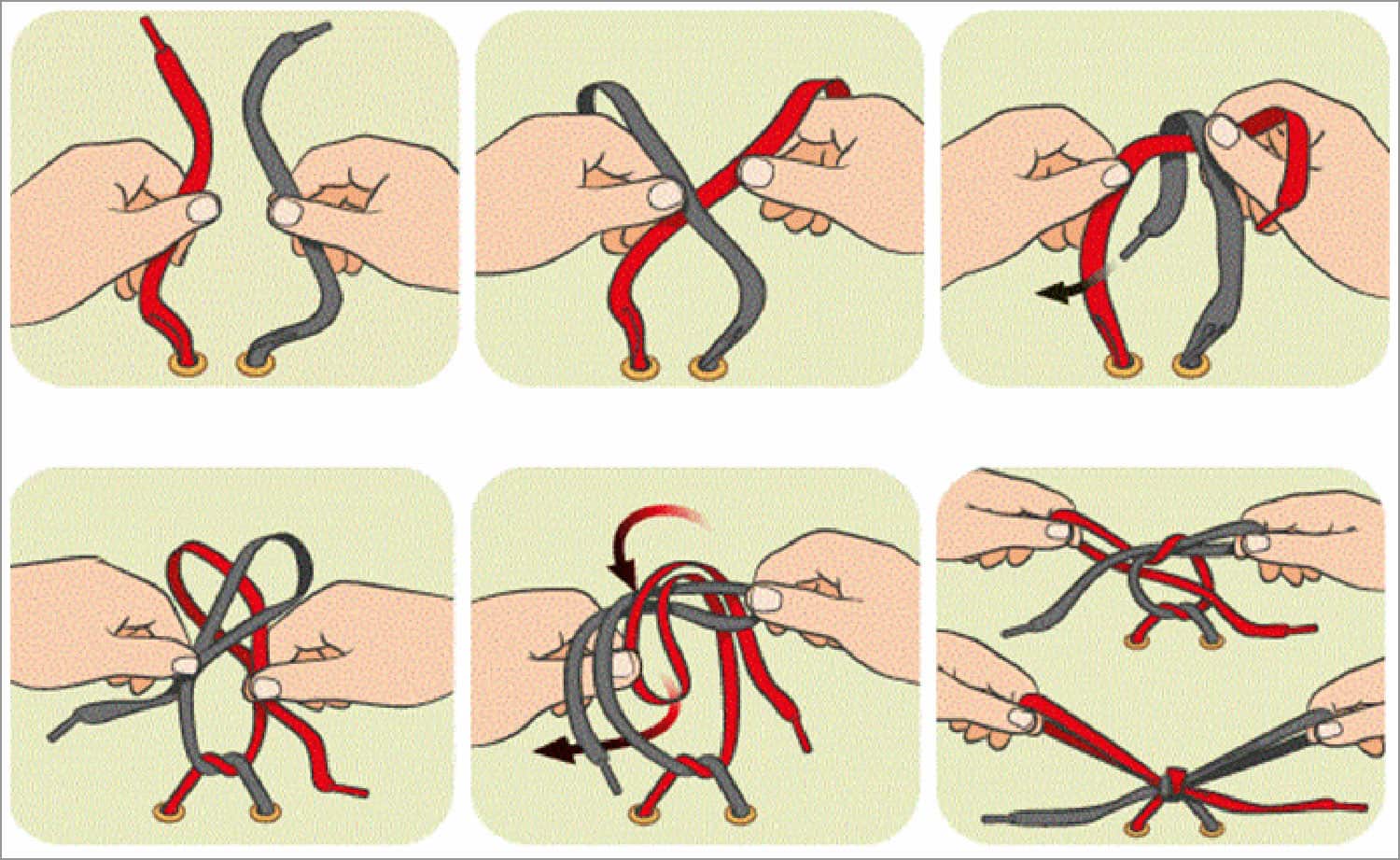
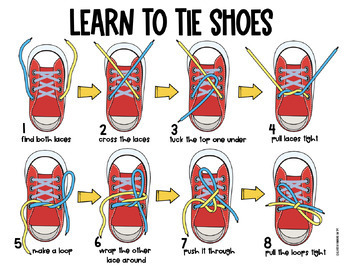
PDF TYING SHOELACES
Tying shoelaces builds independence, coordination, and fine motor skills. Use two-handed play, backward chaining, and fun methods like the 'bunny ear' technique.
PDF Let me

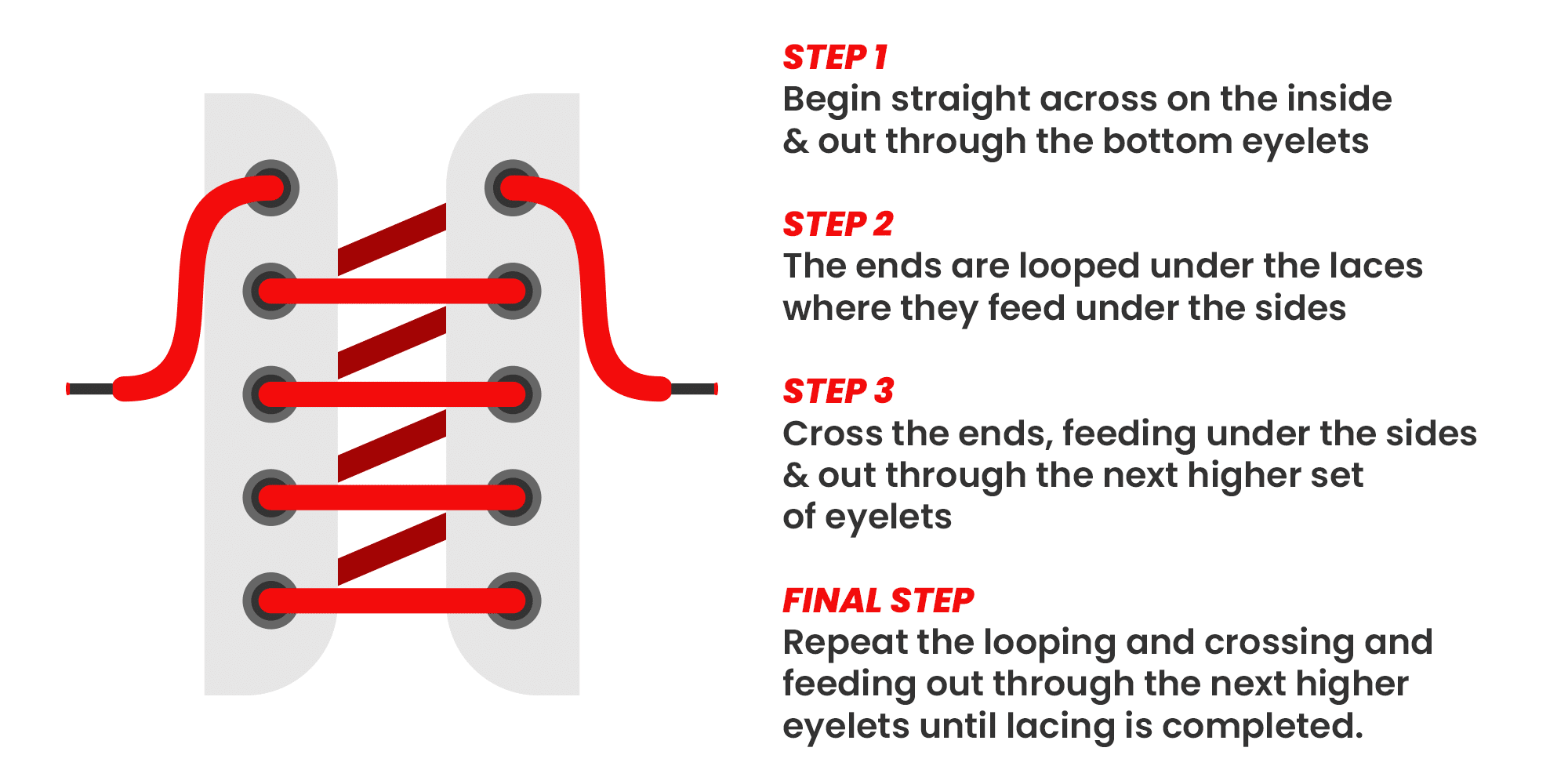
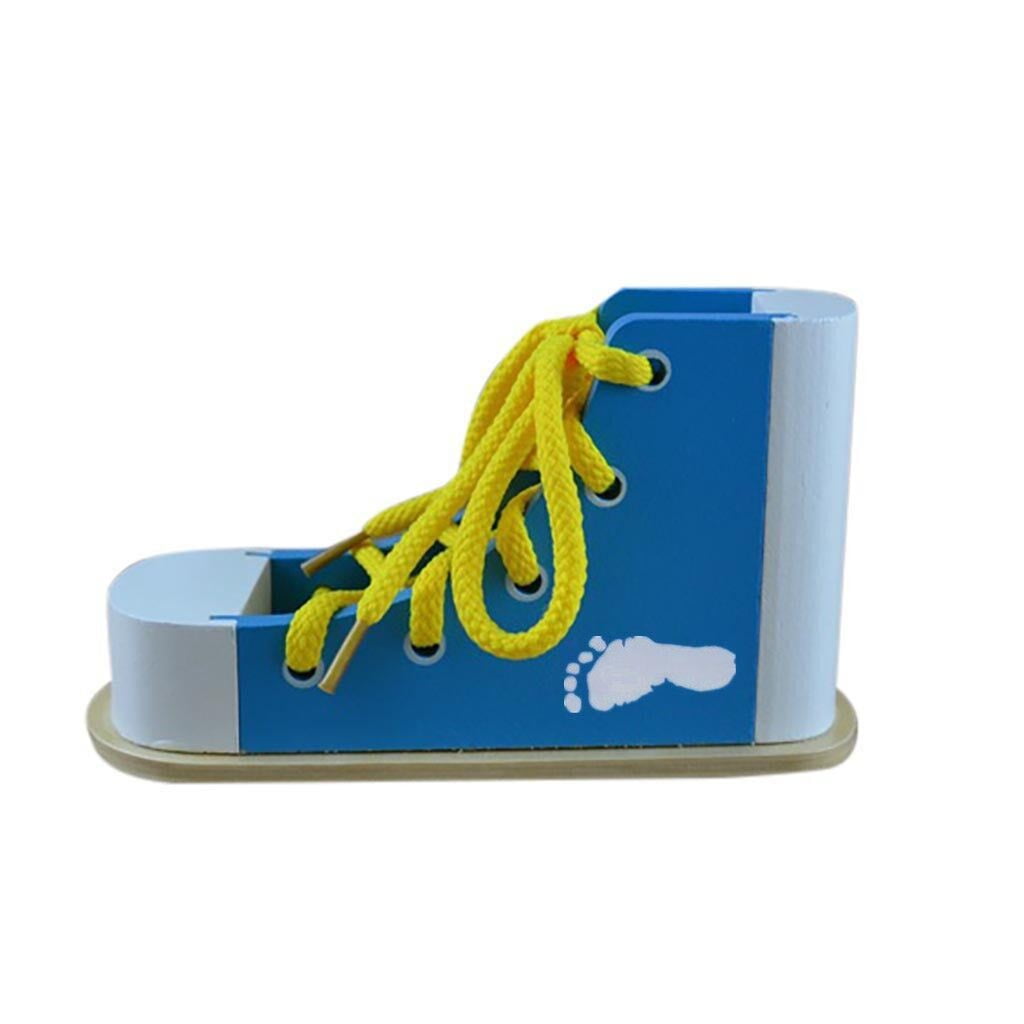
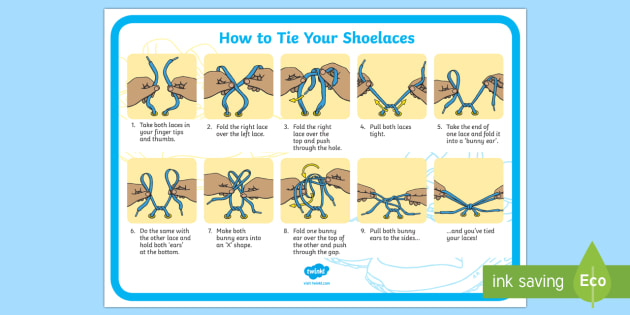
As we can see from the illustration, Shoelace Tying Protocol For Enhancing Fine Motor Control has many fascinating aspects to explore.
Tying shoelaces is a lifelong skill. Before beginning to tie laces, a child needs to have developed their co-ordination and fine motor skills in order to remember the multistep process re-quired to tie laces.
For many children (and even adults), learning to tie shoelaces is a significant developmental milestone. It's more than just a practical skill—it's a step toward independence, self-confidence, and mastering fine motor coordination. From an occupational therapist's perspective, teaching shoelace tying - just like any other daily occupation - is about breaking down a seemingly complex ...

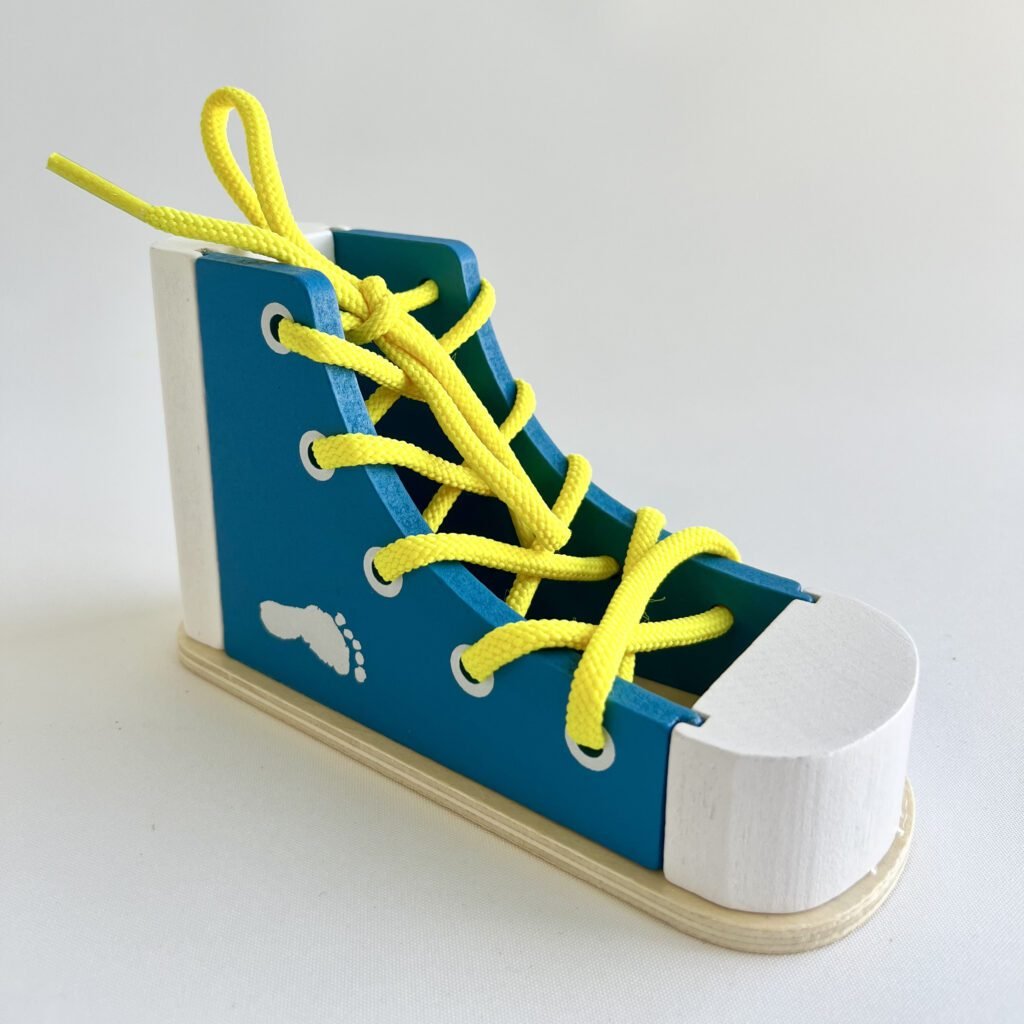
Moving forward, it's essential to keep these visual contexts in mind when discussing Shoelace Tying Protocol For Enhancing Fine Motor Control.
Useful Notes on Shoelace Tying Protocol For Enhancing Fine Motor Control
Tying shoe laces requires strong fine motor skills including finger isolation, bilateral hand coordination, visual perceptual skills, hand-eye coordination and hand strength. Learning to tie shoelaces for the first time can be very rewarding. It may also be frustrating for kids if they become overwhelmed

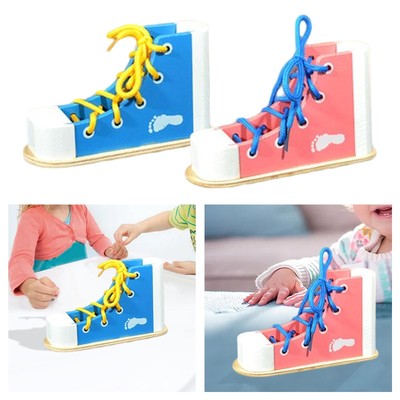
Such details provide a deeper understanding and appreciation for Shoelace Tying Protocol For Enhancing Fine Motor Control.
Many factors influence a child's capacity to tie their shoes, including hand dominance, attention, concentration and fine motor development.