Understanding Canine Physiology To Optimize Whelping
Discovering the Beauty of Understanding Canine Physiology To Optimize Whelping in Pictures
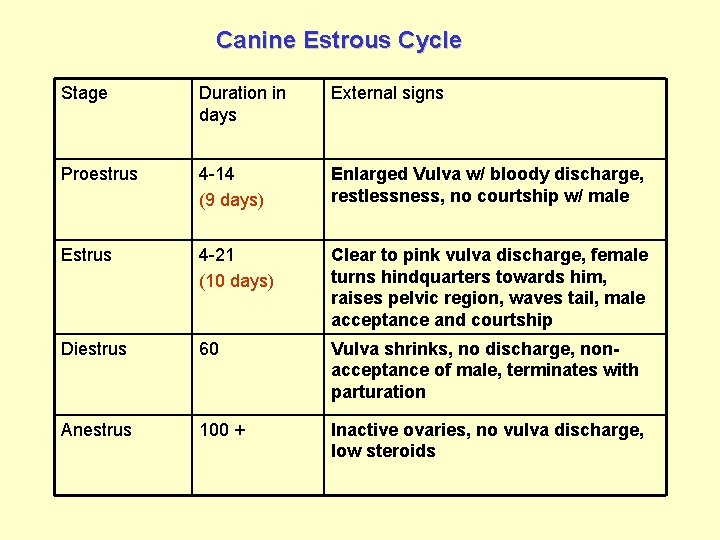
The normal whelping process
OverviewIf your dog is pregnant or you plan to breed, it is best to prepare by becoming familiar with the normal canine birthing ( whelping ) process. A pregnant dog will experience several physiological changes. These changes include an increased heart rate, respiratory rate, and increases in several hormones to aid in maintaining the pregnancy and preparing the body for giving birth and ...
But there are things you should know about whelping that you can't learn in the whelping box because they have to do with physiology and developmental biology - things that are happening in the puppies while they transition from one environment in the uterus to one in the real world where the conditions could not be more different.
Understanding Canine Physiology To Optimize Whelping
Whelping and Dystocia
The normal physiology and timing of these stages is very important as any deviation of normal may be an early sign of dystocia. Parturition in the bitch typically lasts 4-18 hours, and is triggered by maturation of the fetus.
Understanding Canine Physiology To Optimize Whelping
This informal CPD article 'Practical Management of Canine Whelping : Monitoring Labour and Supporting Neonatal Survival' was provided by Propet, a training organisation delivering professional education within the dog breeding and companion-animal industry.
Beyond Cortisol Physiological Indicators of Welfare for Dogs
We advocate for a practical, evidence-based approach to assessing indicators of canine welfare, including noninvasive collection methods. We acknowledge the complexity of evaluating experiential responses in dogs and the need for continued work to improve practices, ultimately advancing welfare assessment and improving dogs' lives.